
Last updated October 16, 2026
 AC repair
 Furnace & heating
 Heat pumps
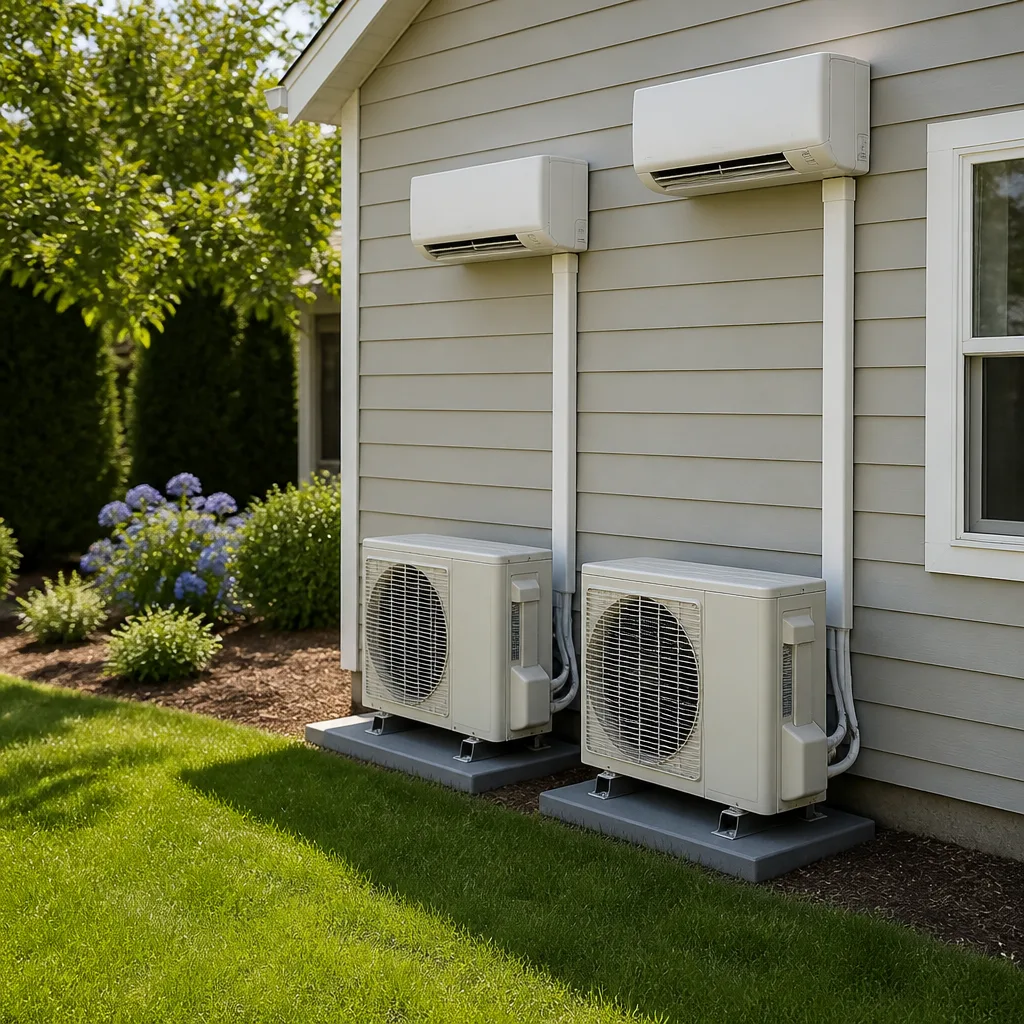 Ductless mini splits
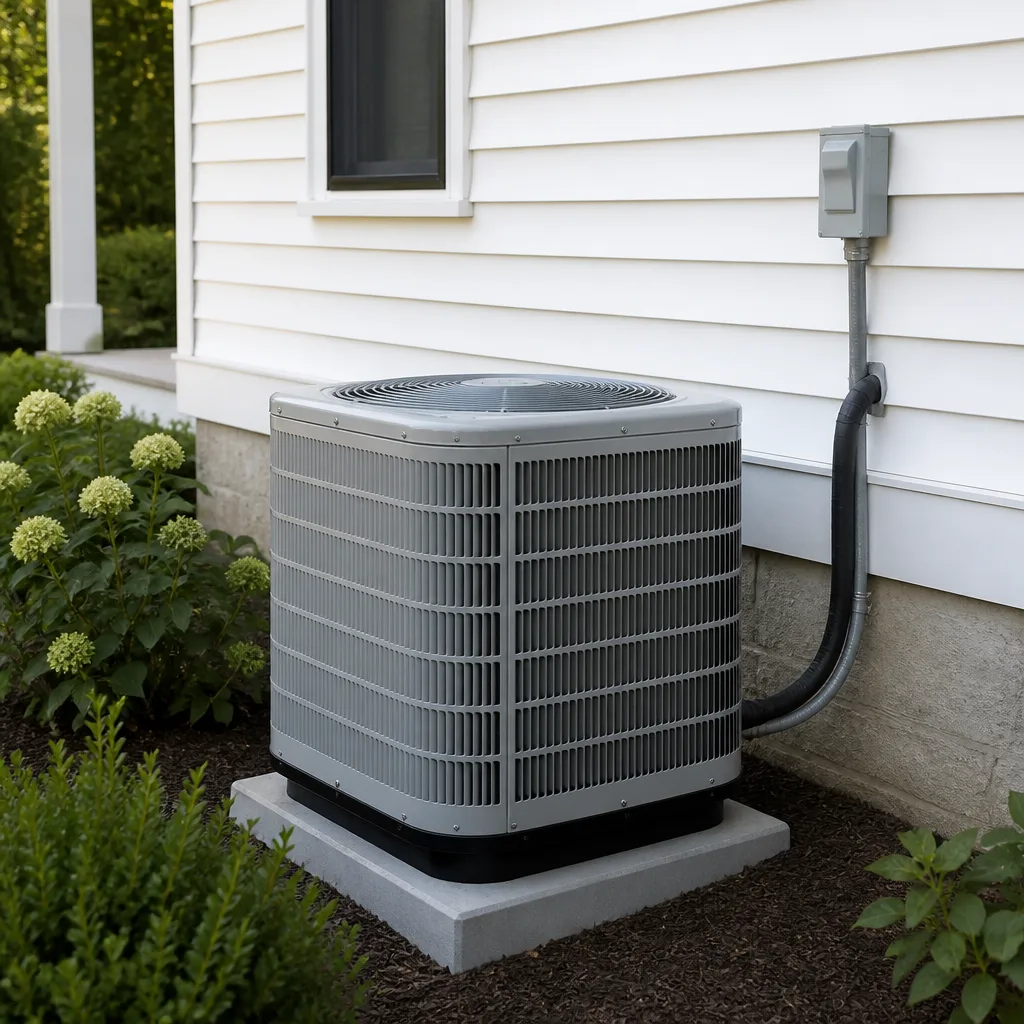 Carrier
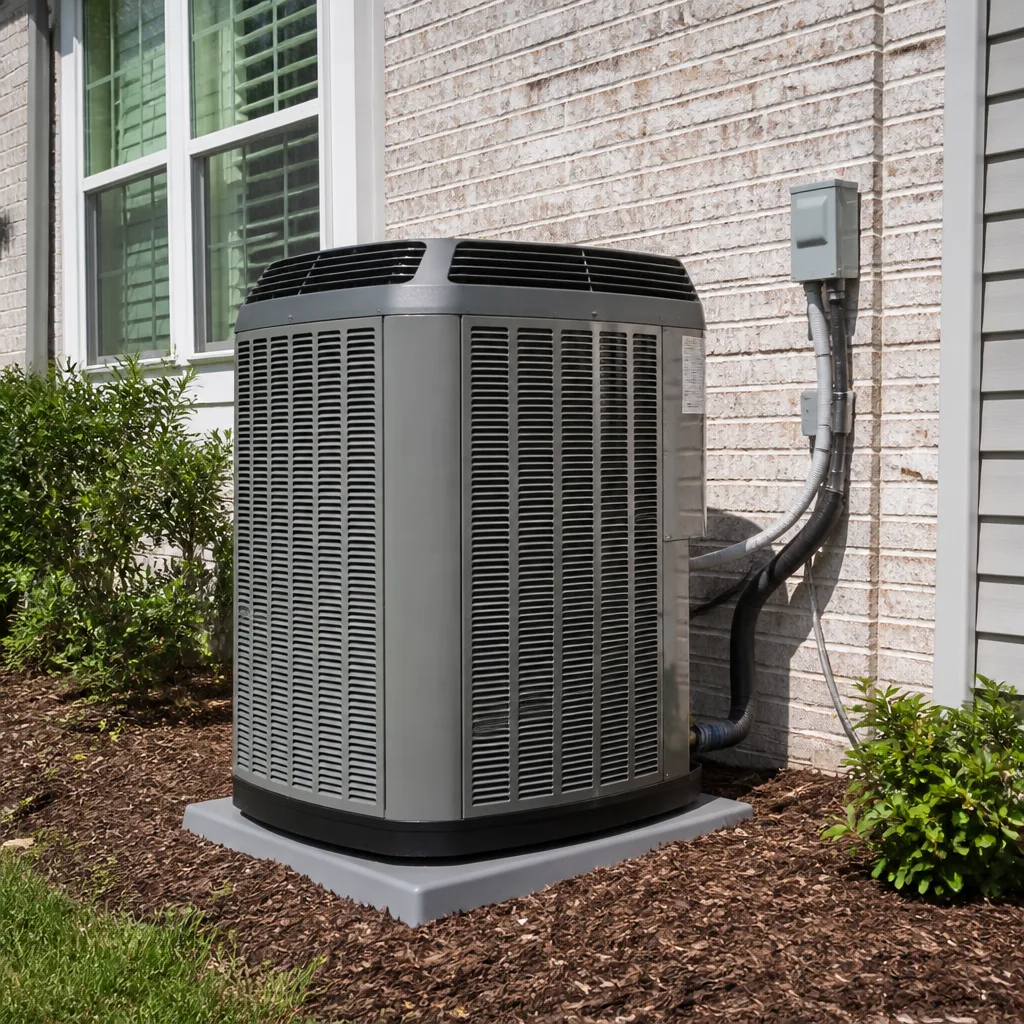 Trane
Trane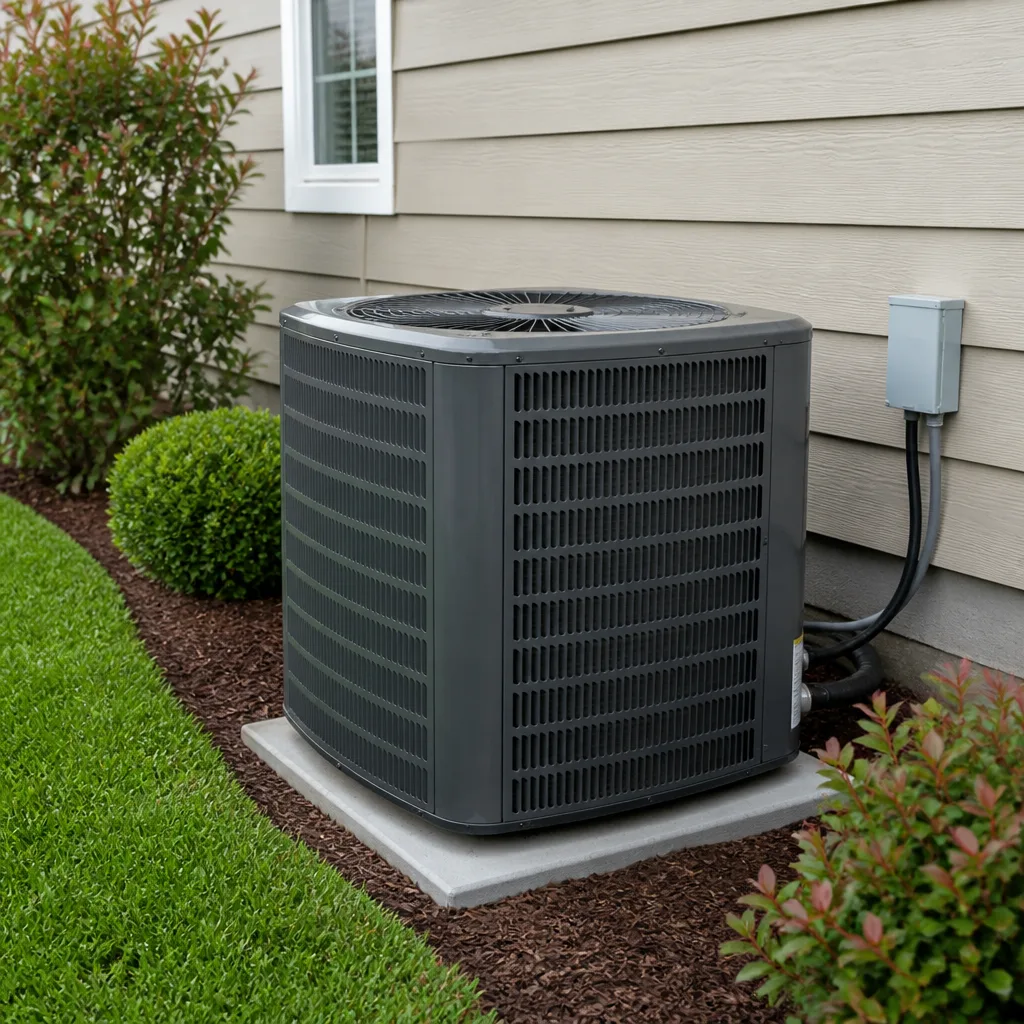 Goodman
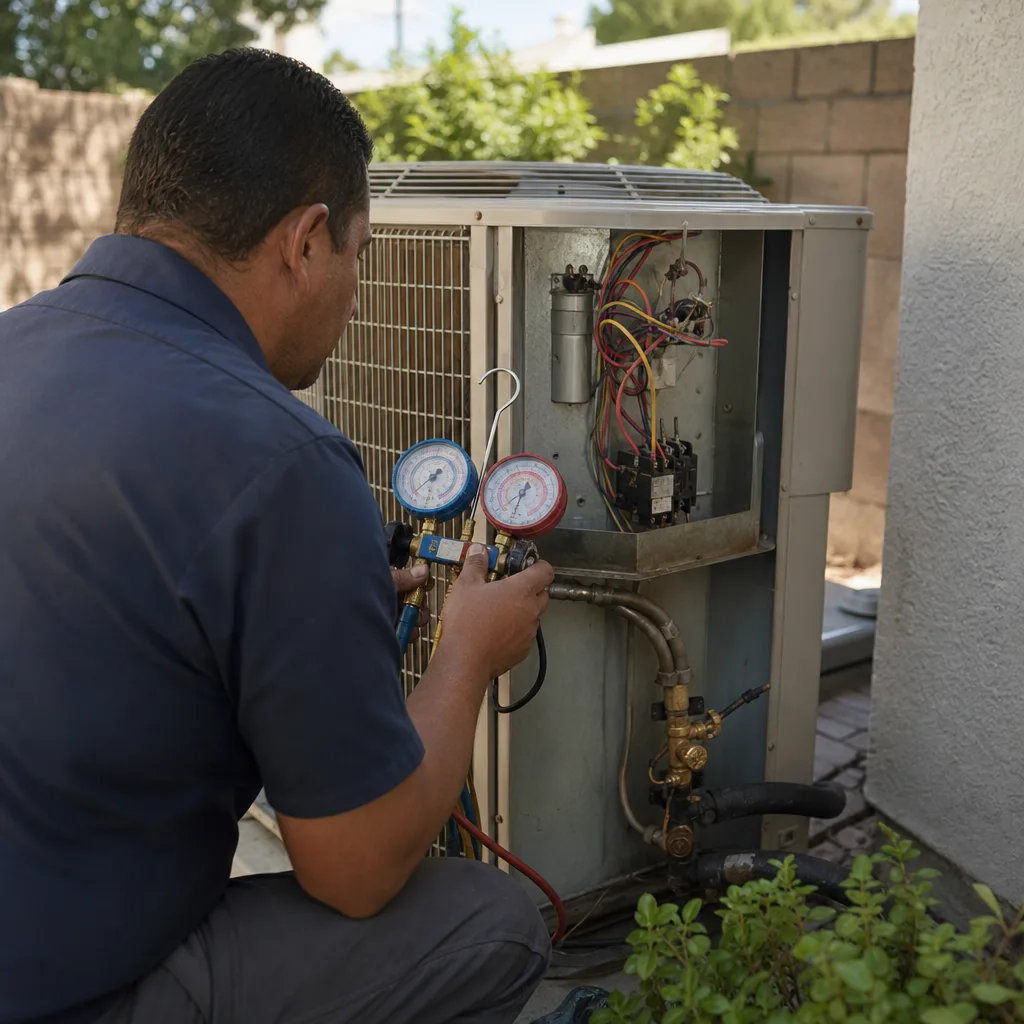
Seasonal tune-up and full diagnostic on your Carrier, Trane, or Goodman system - readings shown to you before any repair is proposed
Diagnosis first, numbers second - you approve the repair price before a single part goes in.
Get your free estimateSeasonal HVAC Care for Fresno: Year-Round Homeowner’s Guide
Here’s a number that surprises most Fresno homeowners: the San Joaquin Valley floor sees an average of 26 nights below freezing every winter, yet July routinely pushes past 100°F for days on end. That’s a 70-degree swing between seasons, which means your HVAC system isn’t a single-season appliance. It’s a four-season workhorse. This guide lays out exactly what your system needs in each part of the Fresno year, when to do it, what it costs, and what happens if you skip it. For The Complete Guide to HVAC in Fresno with more guides & resources, see our blog. We’ll walk through almond harvest dust, Tule fog freeze cycles, wildfire smoke filter loading, and the one maintenance window most homeowners in this city get wrong.
Quick Answer
Seasonal HVAC care in Fresno means four distinct maintenance passes per year: a spring condenser cleanout before first heat, a summer filter and airflow check during peak cooling, a fall heating system inspection before Tule fog season, and a winter defrost and drainage check during freeze cycles. A complete year of professional maintenance in Fresno typically runs $150 to $350 total, split across two visits, and prevents most mid-season breakdowns that cost $300 to $1,200 to repair. See our AC Repair Maintenance Checklist for Fresno Homeowners for a detailed task breakdown.
Styles & brands we work with
Table of Contents
- Fresno’s Four-Season Stress Calendar: Why Your System Works Harder Here
- Spring HVAC Care in Fresno: Dust, Pollen, and First Heat Prep
- Summer HVAC Care in Fresno: Peak Load, Filter Loading, and Airflow
- Fall HVAC Care in Fresno: The Most Important Window Most Homeowners Skip
- Winter HVAC Care in Fresno: Freeze-Thaw Cycles and the Tule Fog Challenge
- Wildfire Smoke and Your Fresno HVAC System: Why Filters Fail Faster Here
- Outdoor Condenser Winterization for the San Joaquin Valley Floor
- How to Build a 12-Month Maintenance Log That Satisfies Warranty Requirements
Fresno’s Four-Season Stress Calendar: Why Your System Works Harder Here
Fresno sits in a climate bowl. The Sierra Nevada blocks moisture from the east, the Coast Ranges block it from the west, and the valley floor traps heat, cold, and particulate matter in ways that coastal California never sees. Your HVAC system isn’t just heating and cooling. It’s filtering air that carries almond dust in February and March, wildfire particulate from June through October, and dense fog moisture from November through January. In our experience across thousands of Fresno service calls, the systems that fail are almost never the ones that got a one-time tune-up. They’re the ones that were treated like they only needed attention in July.
Here’s the seasonal load profile we see on the ground in Fresno:
- Spring (March – May): Almond bloom and harvest dust, pollen spikes, and the first 90°F days. Condenser coils clog with orchard dust and cottonwood fibers.
- Summer (June – September): 100°F-plus afternoons for weeks, peak electrical load, and wildfire smoke from surrounding foothills. Filters load with smoke particulate at 2 to 3 times the normal rate.
- Fall (October – November): Temperature swings, the onset of Tule fog, and the first cold mornings. This is when heating systems fail their first startup test of the year.
- Winter (December – February): Freezing fog, overnight lows in the 20s, and frost on outdoor heat pump coils. Drain lines freeze, defrost cycles run constantly, and systems that weren’t checked in fall ice over.
Each season applies a different kind of stress. A system prepped only for summer cooling will run into heating problems the first week of December. A filter schedule designed for average conditions won’t survive a bad fire season. Treating Fresno like a one-season climate is the single most common maintenance mistake we see, and it’s also the most expensive one to fix.
Spring HVAC Care in Fresno: Dust, Pollen, and First Heat Prep
Spring in Fresno is deceptively hard on HVAC equipment. The almond bloom starts in mid-February and runs through early March, kicking up enormous amounts of pollen and fine dust. By April and May, the valley floor dries out and orchard dust blows across residential neighborhoods. That dust lands directly on your outdoor condenser coil, where it acts like a blanket. A condenser caked with a quarter-inch of dust loses 10 to 15 percent of its heat-exchange efficiency, which means longer run times, higher utility bills, and more strain on the compressor.
Here’s the spring checklist we recommend for every Fresno homeowner:
- Inspect and rinse the outdoor condenser coil. Turn off power at the disconnect box first. Use a garden hose with moderate pressure to rinse dust from the coil fins. Never use a pressure washer. It bends the fins and permanently reduces airflow.
- Replace the air filter. If you ran your system during the almond bloom, the filter is already loaded. A standard 1-inch pleated filter in Fresno spring conditions needs replacement every 30 to 45 days, not the 90 days printed on the box.
- Check the condensate drain line. Pour a cup of white vinegar down the drain line to break up algae and dust sludge. Fresno’s hard water accelerates mineral buildup in drain traps.
- Test the cooling cycle before you need it. Run the AC for 20 minutes on a warm afternoon in April. Listen for unusual noise, check that the air blowing from vents feels cold, and confirm the outdoor unit isn’t short cycling.
- Schedule a professional coil cleaning if the fins are visibly caked. Some condenser coils need chemical cleaning to remove baked-on orchard dust. This is a $75 to $150 service and it pays for itself in a single summer of reduced run time.
One thing we tell every homeowner in Fresno: spring maintenance is about prevention, not correction. If you catch a dirty coil or a weak capacitor in April, you fix it for $150 to $300. If you wait until the first 105°F day in June and the system fails, you’re looking at a same-day emergency call, likely after hours, and a repair that costs two to three times as much. For homeowners who want this handled by someone else, our AC Maintenance in Fresno service includes a full spring prep pass with a written report of what we found and what we did.
Summer HVAC Care in Fresno: Peak Load, Filter Loading, and Airflow
Fresno summers aren’t just hot. They’re relentlessly hot. The average July high in Fresno is 98°F, but heat waves push 105°F to 110°F for stretches of five to ten days. During those stretches, your air conditioner runs 12 to 18 hours per day. That’s more run time in a single month than most coastal systems see in a full year. Every component is under maximum stress: the compressor, the condenser fan motor, the capacitor, the contactor, and the blower motor.
Summer is also when wildfire smoke enters the picture. Fire season in the Sierra foothills typically starts in June and runs through October. Smoke particulate from fires in the Kings Canyon and Sequoia areas drifts down into the valley and settles over Fresno for days at a time. Your HVAC filter is the first line of defense for your indoor air, but it loads with smoke particulate much faster than with ordinary household dust.
Summer maintenance in Fresno comes down to three things:
- Check the filter every two weeks during smoke events. A MERV 8 filter loaded with wildfire smoke can reach full saturation in 10 to 14 days. A saturated filter chokes airflow, which forces the blower motor to work harder and reduces cooling output. During heavy smoke periods, swap to a MERV 11 or MERV 13 rated filter if your system can handle the added resistance. Not all systems can, so check your air handler’s specifications first.
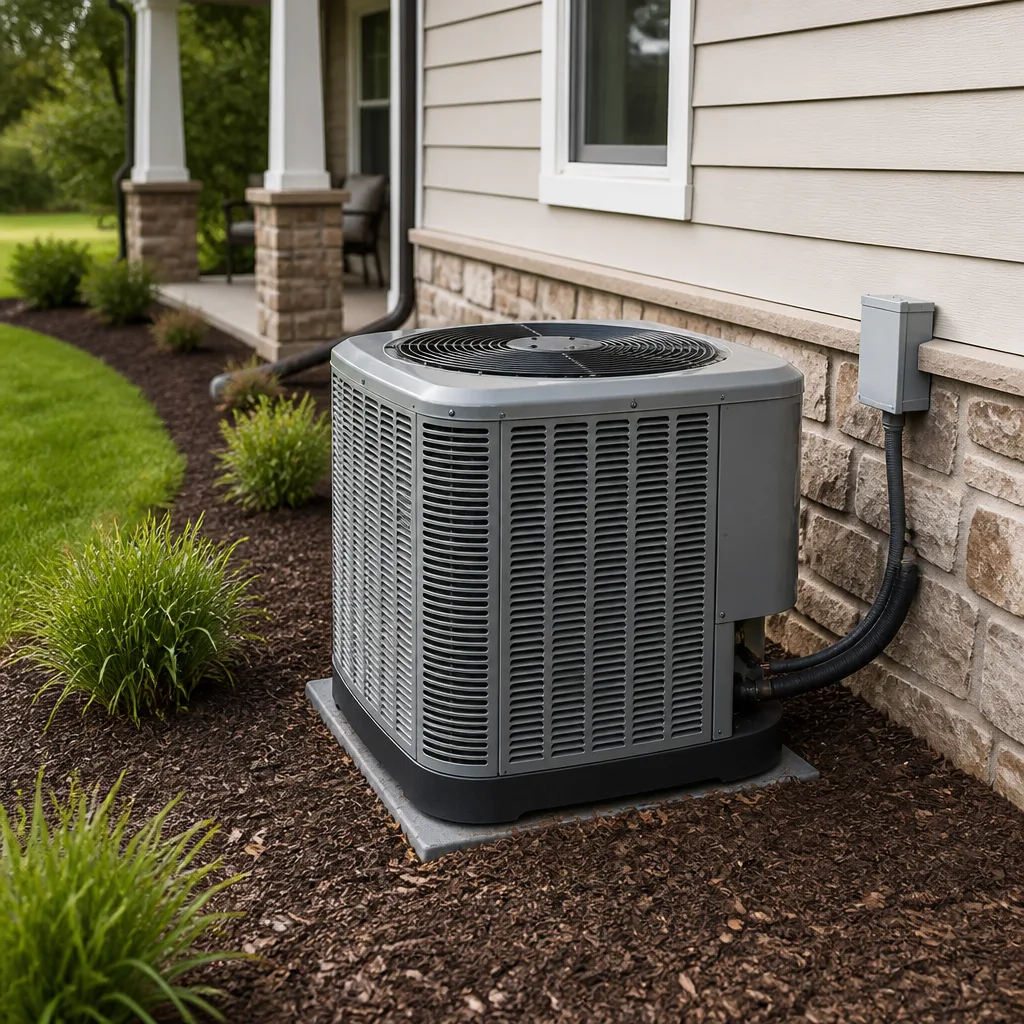
- Keep at least 2 feet of clearance around the outdoor condenser. Summer weeds and grass grow fast in Fresno’s irrigated yards. Anything blocking airflow around the condenser reduces efficiency and raises head pressure on the compressor.
- Listen for changes in system behavior. A healthy AC in peak summer runs long cycles during the hottest part of the day and shuts off at night. If you hear short cycling (on for 5 minutes, off for 5 minutes, repeated), if the air from your vents feels cool but weak, or if the outdoor unit is making a buzzing sound you haven’t heard before, those are early warning signs of a failing capacitor, contactor, or condenser fan motor.
If your system does fail during a Fresno heat wave, don’t wait. A house without cooling in 105°F weather becomes unsafe within hours, especially for older adults, young children, and anyone with respiratory or cardiac conditions. Our AC Repair in Fresno team answers the phone with a live person around the clock. Every repair starts with a written price before any work begins, and every repair includes a written guarantee that specifies exactly what’s covered and for how long.
Fall HVAC Care in Fresno: The Most Important Window Most Homeowners Skip
Here’s a position most HVAC guides won’t take: in Fresno, fall is more important than spring for HVAC maintenance. The reason is simple. Your cooling system gets exercised all summer. Problems show up early and get fixed. Your heating system, by contrast, has been sitting idle since March. The first cold snap in November is the first time the furnace or heat pump has run in eight months. Any problem that developed over the summer, from a cracked igniter to a failing gas valve to a refrigerant leak in the reversing valve, will announce itself at the exact moment you need heat.
Tule fog makes this worse. Fresno’s famous fog season typically begins in November and can run through February. Dense fog holds temperatures low, often below freezing for consecutive days. The record is 11 consecutive days below freezing during a Tule fog event. A heat pump that wasn’t prepped in October will ice over in January, exactly when you need it most. A furnace with a dirty flame sensor will fire, trip, and lock out on the coldest night of the year.
Here’s the fall heating checklist we run for Fresno homes:
- Replace the air filter before the first heating cycle. This is a fresh start. The filter has been doing summer duty and is likely loaded with dust and smoke particulate.
- Test the heating cycle in October. Turn the thermostat to heat mode, set it 5°F above room temperature, and let the system run for 20 minutes. Confirm warm air at the vents, no burning smell after the first few minutes, and no unusual noise from the furnace cabinet.
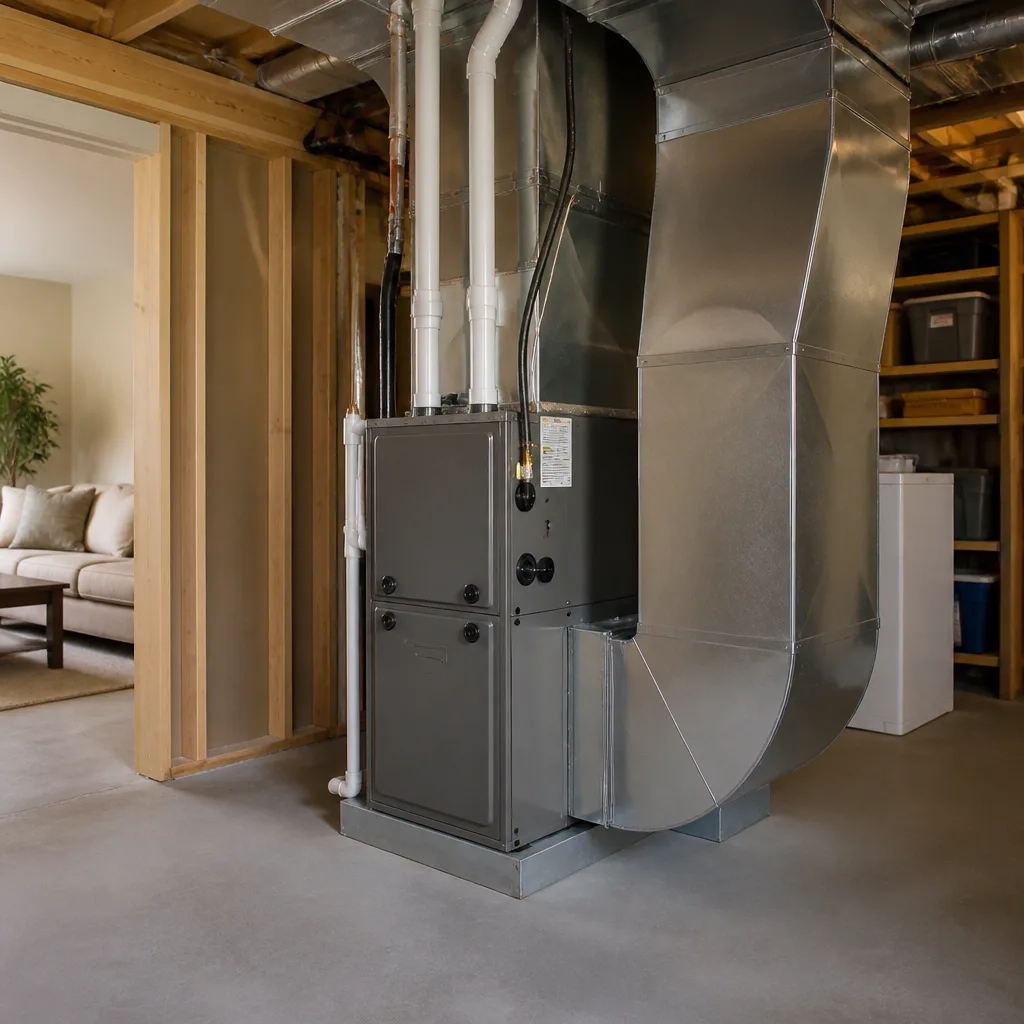
- Inspect the heat exchanger if your furnace is over 10 years old. Heat exchangers crack over time, and a cracked heat exchanger leaks carbon monoxide into the living space. This is a safety inspection, not a performance tune-up. It requires a professional with a combustion analyzer.
- Check the condensate drain for heat pump systems. Heat pumps produce condensate in heating mode too. A clogged drain line will trigger a float switch shutdown, which presents as a system that runs but won’t heat.
- Verify thermostat settings and batteries. It sounds trivial, but a dead thermostat battery on the first cold morning of November is one of the most common service calls we field in Fresno.
We recommend scheduling a professional heating inspection in October, before the fog settles in. For most Fresno homes, a furnace inspection and tune-up runs $89 to $180 and includes cleaning the flame sensor, checking gas pressure, testing the igniter, and verifying safe heat exchanger operation. If you’re hiring someone for this work, make sure they give you a written list of what they checked and what they found. That written record matters for warranty claims later.
If your furnace does fail during fog season, call the team at Furnace Repair in Fresno. Our technicians arrive with a written price before any work starts, and every repair is backed by the 365-Day Done Right Promise. If it’s not done right, we make it right, at no additional charge.
Winter HVAC Care in Fresno: Freeze-Thaw Cycles and the Tule Fog Challenge
Winter in Fresno isn’t Minnesota, but it has its own specific cruelty. The San Joaquin Valley floor sees repeated freeze-thaw cycles throughout December and January. Overnight temperatures drop into the 20s, then climb back into the 40s and 50s by afternoon. That cycle, repeated dozens of times per season, is harder on outdoor HVAC equipment than a steady deep freeze would be. Why? Because condensation forms on metal surfaces overnight, freezes, expands, thaws, and refreezes. Each cycle puts microscopic stress on coil fins, electrical connections, and plastic drain components.
For heat pump owners, this is the season when defrost mode matters most. A heat pump absorbs heat from outdoor air even when that air is cold. In foggy, humid conditions near freezing, frost builds on the outdoor coil. The system periodically shifts into defrost mode to melt that frost. If the defrost control board, the reversing valve, or the outdoor coil sensor has a problem, frost builds until the coil is a solid block of ice. The system then locks out and leaves the house with no heat during a fog inversion.
Winter tasks for Fresno homeowners:
- Watch the outdoor unit after a cold night. It’s normal to see light frost on the coil in the early morning. It’s not normal to see thick ice accumulation that persists through the afternoon. If the coil is solid white and the system hasn’t defrosted by midday, you have a defrost system failure that needs professional attention.
- Keep the area around the outdoor unit clear of leaves and debris. Fog season drops moisture that mats leaves against the coil. Wet leaves reduce airflow and accelerate corrosion on coil fins.
- Check the condensate drain for ice blockages. In heat pump systems, the drain line carries condensate away from the indoor unit. If the drain line runs through an unheated crawl space or exterior wall, it can freeze. A frozen drain triggers a float switch that shuts the system down.
- Don’t cover the outdoor unit with a tarp. This is a common DIY winterization mistake. A tarp traps moisture against the coil, accelerates rust, and creates a nesting environment for rodents. Modern condensers are built to sit outdoors year-round. They don’t need covers.
For furnace owners, winter is mostly about monitoring. A furnace that passed its fall inspection will typically run through fog season without issue. Keep the filter clean, keep the area around the furnace clear, and pay attention to any change in the sound or smell of the system. A faint burning smell on the first startup of the season is normal, dust burning off the heat exchanger. A persistent smell, or any smell of gas, is an emergency. Shut the system down at the thermostat and call a professional immediately.
Wildfire Smoke and Your Fresno HVAC System: Why Filters Fail Faster Here
Fresno’s air quality challenges aren’t seasonal anomalies. They’re structural to the geography. The valley acts as a bowl that traps particulate matter from vehicle exhaust, agricultural operations, and, increasingly, wildfire smoke from the Sierra foothills and coastal ranges. During bad fire years, Fresno’s air quality index regularly exceeds 150, which the EPA classifies as unhealthy for all groups. Your HVAC system is the primary defense for your indoor air, but only if it’s being maintained for those conditions.
The key fact most manufacturer filter schedules miss: a standard 1-inch pleated filter rated MERV 8 is designed to last 90 days under normal household dust loading. In Fresno during a wildfire smoke event, that same filter can reach full saturation in 10 to 14 days. A saturated filter doesn’t just stop filtering. It restricts airflow, which puts strain on the blower motor, reduces efficiency, and can cause the evaporator coil to freeze over even in the middle of summer.
Here’s what to do during Fresno’s smoke season:
- Upgrade to MERV 11 or MERV 13 during smoke events. These higher-rated filters capture finer particulate, including the PM2.5 particles that pose the greatest respiratory risk. Confirm your system can handle the pressure drop. Older systems with marginal blower motors may struggle with MERV 13.
- Check the filter weekly during heavy smoke. Hold it up to a light. If you can’t see light through the filter media, it’s saturated and needs replacement regardless of how long it’s been installed.
- Run the fan continuously during smoke events. Set your thermostat to “Fan On” instead of “Auto.” This keeps air moving through the filter even when the system isn’t actively heating or cooling. It uses more electricity, but it dramatically improves indoor air quality during smoke conditions.
- Don’t open windows at night. Fresno’s evening delta breeze can be tempting during hot smoke events, but nighttime smoke settles low in the valley. Opening windows at night pulls the worst air of the day into your home.
If you’re replacing filters more than once a month during smoke season, consider a professional assessment of your filtration setup. Some Fresno homes benefit from a media cabinet upgrade that holds a 4-inch or 5-inch filter, which offers more surface area and longer service life than the standard 1-inch slot. A media cabinet installation typically runs $300 to $600 depending on the system configuration.
Outdoor Condenser Winterization for the San Joaquin Valley Floor
The question of whether to winterize an outdoor condenser in Fresno comes up every November, and the answer is counterintuitive: you don’t need to cover it, but you do need to prepare it. The freeze-thaw cycles on the valley floor create a specific set of risks that don’t exist in colder climates. It’s not the deep freeze that damages equipment here. It’s the repeated condensation and expansion cycles combined with fog moisture and leaf debris.
Here’s what actually matters for condenser winter prep in Fresno:
- Clean the coil before fog season. The coil should enter winter free of summer dust and leaf debris. Wet dust forms a paste that’s harder to clean after fog season than before it. A coil cleaning in October costs $75 to $150 and prevents corrosion damage that compounds over multiple winter seasons.
- Clear leaf debris from the base of the unit. Fallen leaves accumulate around the condenser base during November and December. Wet leaves hold moisture against the unit’s base pan, which accelerates rust. Clear them by hand or with a leaf blower set to low, being careful not to force debris into the coil.
- Check the electrical disconnect for corrosion. Fog moisture penetrates outdoor electrical boxes over time. If the disconnect box shows signs of rust or corrosion, have it replaced before it fails. A corroded disconnect is a fire hazard and a common cause of hard-start failures during cold mornings.
- Verify the unit is level. Freeze-thaw cycles shift the ground under outdoor condensers, especially where they sit on plastic pads over soft soil. A unit that’s tilted more than 10 degrees strains the compressor mounts and oil circulation. Re-leveling a condenser is a simple job, typically under $100.
- Leave the unit uncovered. Condensers are engineered to withstand outdoor exposure. Covers trap moisture, invite rodents, and can damage the coil if the unit accidentally runs while covered. If you insist on a cover for aesthetic reasons, use a breathable mesh cover with an open bottom, and remove it entirely if there’s any chance of the system running.
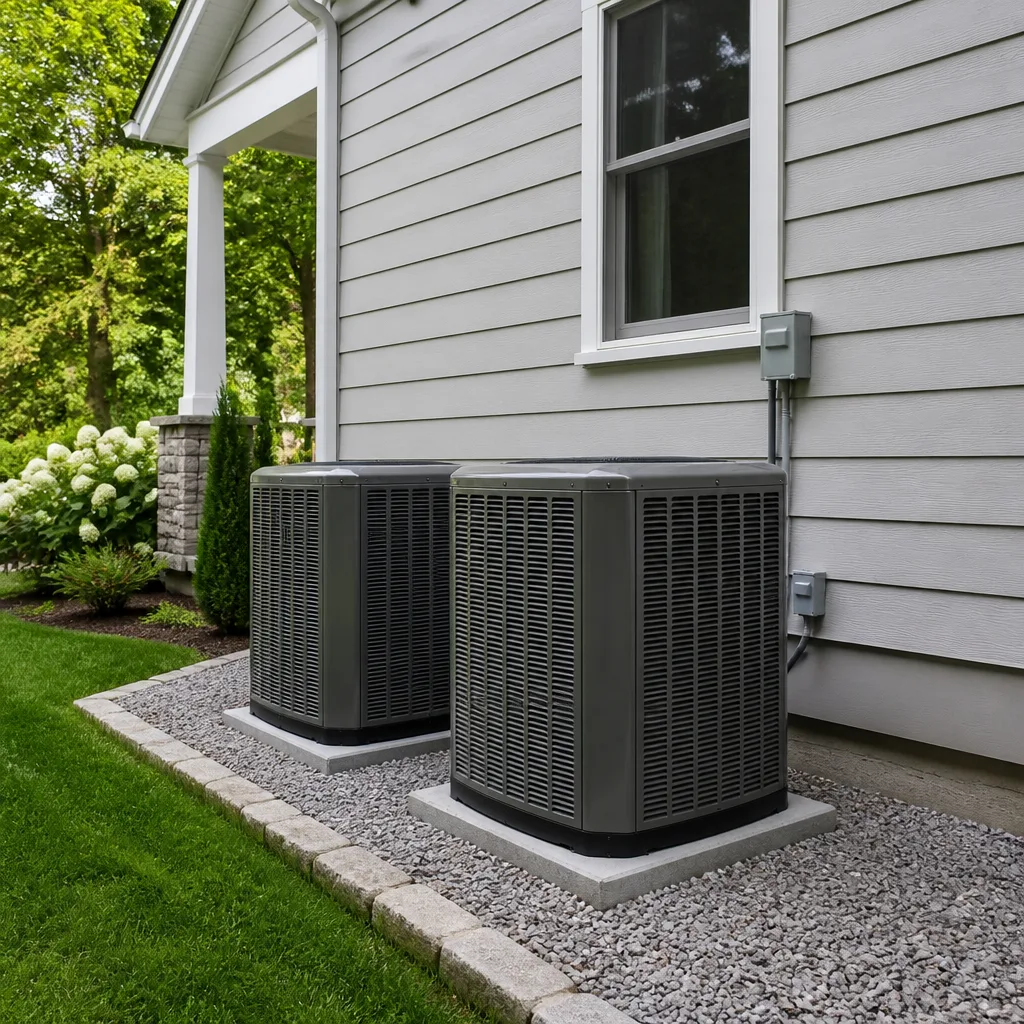
Heat pump owners need to remember one thing above all else: your outdoor unit runs all winter. There is no off-season for a heat pump. The condenser is actively exchanging heat on the coldest nights of the year. Anything that restricts airflow around the coil in winter directly reduces your heating capacity during Tule fog conditions.
How to Build a 12-Month Maintenance Log That Satisfies Warranty Requirements
Most extended HVAC warranties include a clause requiring “reasonable and customary maintenance” as a condition of coverage. What they mean is this: if a major component fails and you file a warranty claim, the manufacturer expects documentation that the system was professionally maintained. No documentation can mean a denied claim on a compressor, heat exchanger, or reversing valve that would otherwise be covered. That’s a $1,500 to $4,000 difference depending on the part.
We tell every Fresno homeowner the same thing: keep a maintenance log. It doesn’t need to be elaborate. A simple notebook or spreadsheet works fine. What matters is that it records specific information on specific dates.
Here’s the information your maintenance log should capture for each service event:
- Date of service
- Service performed (e.g., coil cleaning, filter replacement, furnace inspection)
- Service provider and technician name
- What was found (e.g., coil 30% clogged, filter saturated, flame sensor cleaned)
- What was done (e.g., coil rinsed, filter replaced, flame sensor cleaned or replaced)
- Parts replaced, if any, with part numbers where available
- Invoice or work order number
- Total cost
Most warranty requirements are satisfied by two professional maintenance visits per year: one in spring for the cooling system and one in fall for the heating system. That maps perfectly to Fresno’s seasonal calendar. Spring catches cooling problems before first heat. Fall catches heating problems before Tule fog. Two visits, documented consistently, satisfy every major manufacturer’s warranty requirements, including Rheem, York, Daikin, and Bryant.
One note from our experience: keep paper copies of invoices. Digital records are convenient, but warranty departments sometimes want physical documentation. A three-ring binder with invoice sleeves costs $5 and eliminates argument. If you’re using a provider that doesn’t give you a written report after maintenance, find one that does. The written report is the entire point of the documentation.
Common Mistakes to Avoid
- Skipping fall heating prep because the AC worked all summer. Your cooling system and heating system are separate machines that share a blower and ductwork. A perfect summer says nothing about furnace condition. In Fresno, heat pump systems are even more vulnerable because they run year-round.
- Following the filter manufacturer’s 90-day replacement schedule. That schedule assumes average conditions. Fresno’s orchard dust, wildfire smoke, and agricultural particulate load the filter 2 to 3 times faster than average. Check monthly during high-load seasons.
- Covering the outdoor condenser with a tarp for winter. This traps moisture against the coil, accelerates corrosion, and invites rodents. Fresno’s freeze-thaw cycles already stress the equipment. Covers make it worse.
- Ignoring short cycling or unusual noises during mild weather. HVAC problems in Fresno don’t announce themselves on Schedule. A system that short cycles on an 80°F day in October will fail outright during the first cold snap or the first heat wave. Early repair is always cheaper than emergency replacement.
- Waiting until the first 100°F day to schedule AC maintenance. Summer is when every HVAC company in Fresno is booked solid. Spring maintenance availability is wider, pricing is more flexible, and you go into summer with a system that’s already been proven to work.
- Assuming your extended warranty covers components without maintenance records. Major manufacturers require documentation of routine professional maintenance. No records means a denied claim on expensive parts like compressors and heat exchangers.
See the difference
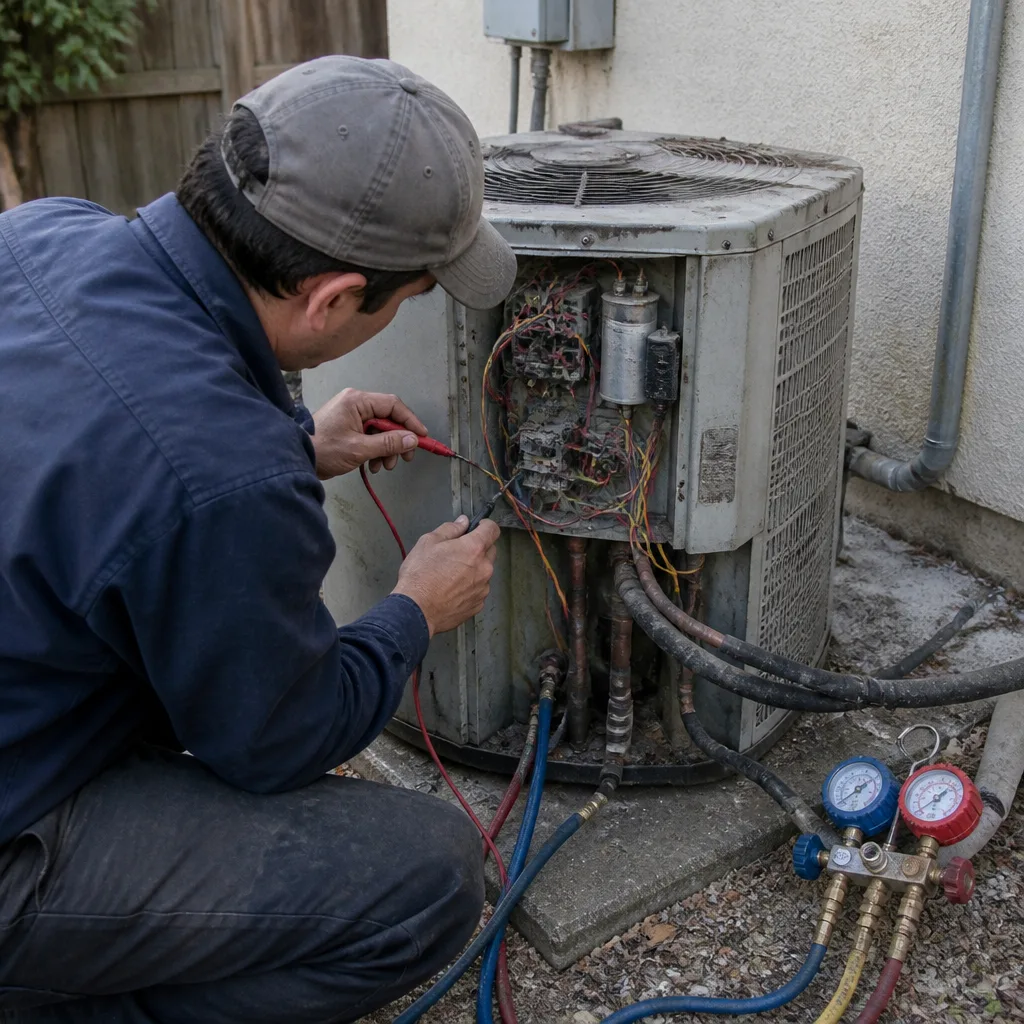 Before
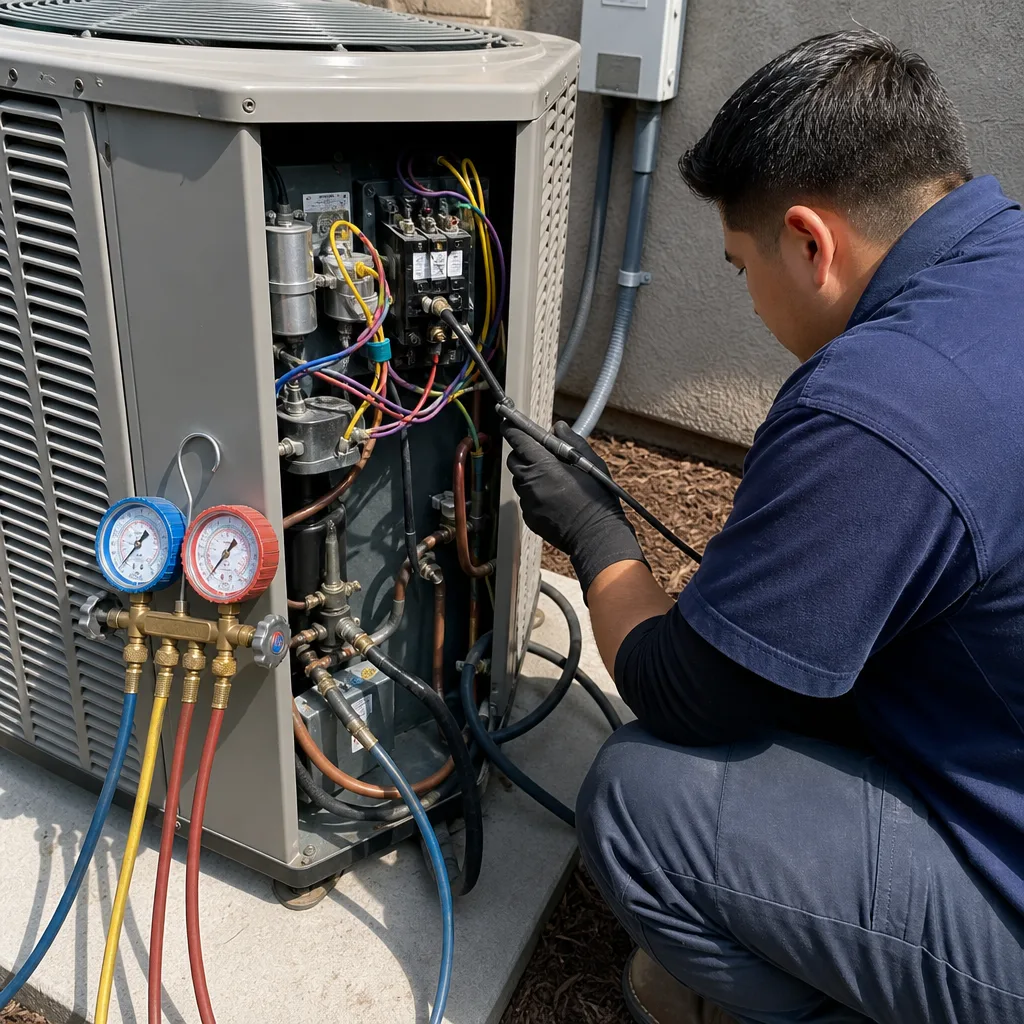 After
After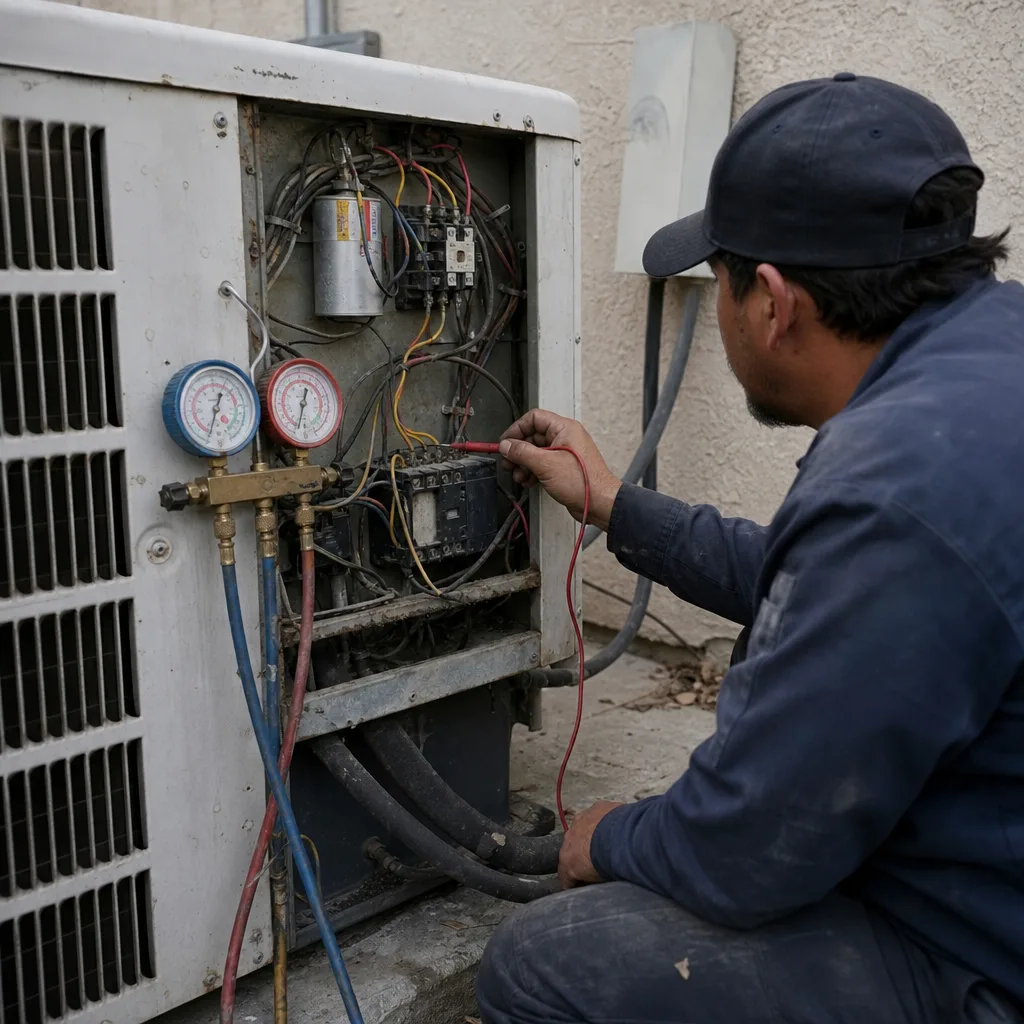 Before
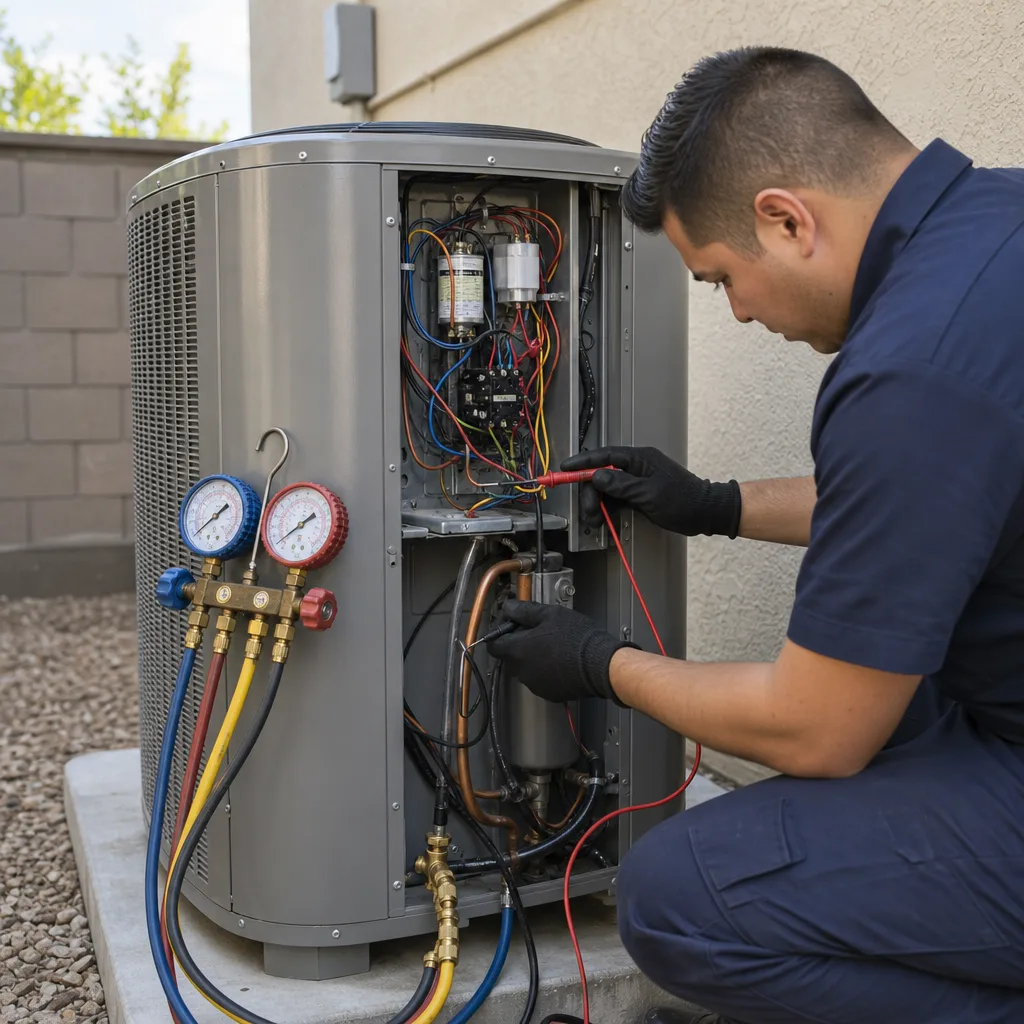 After
After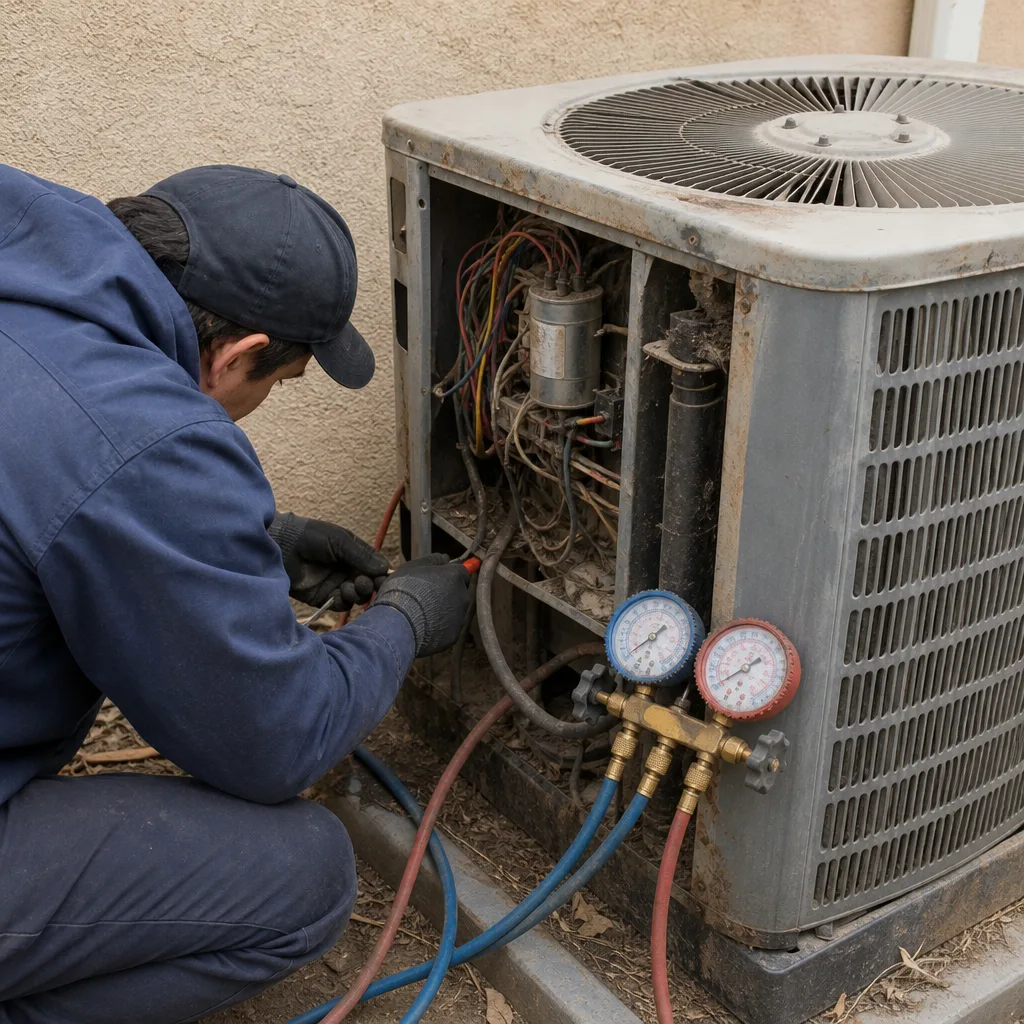 Before
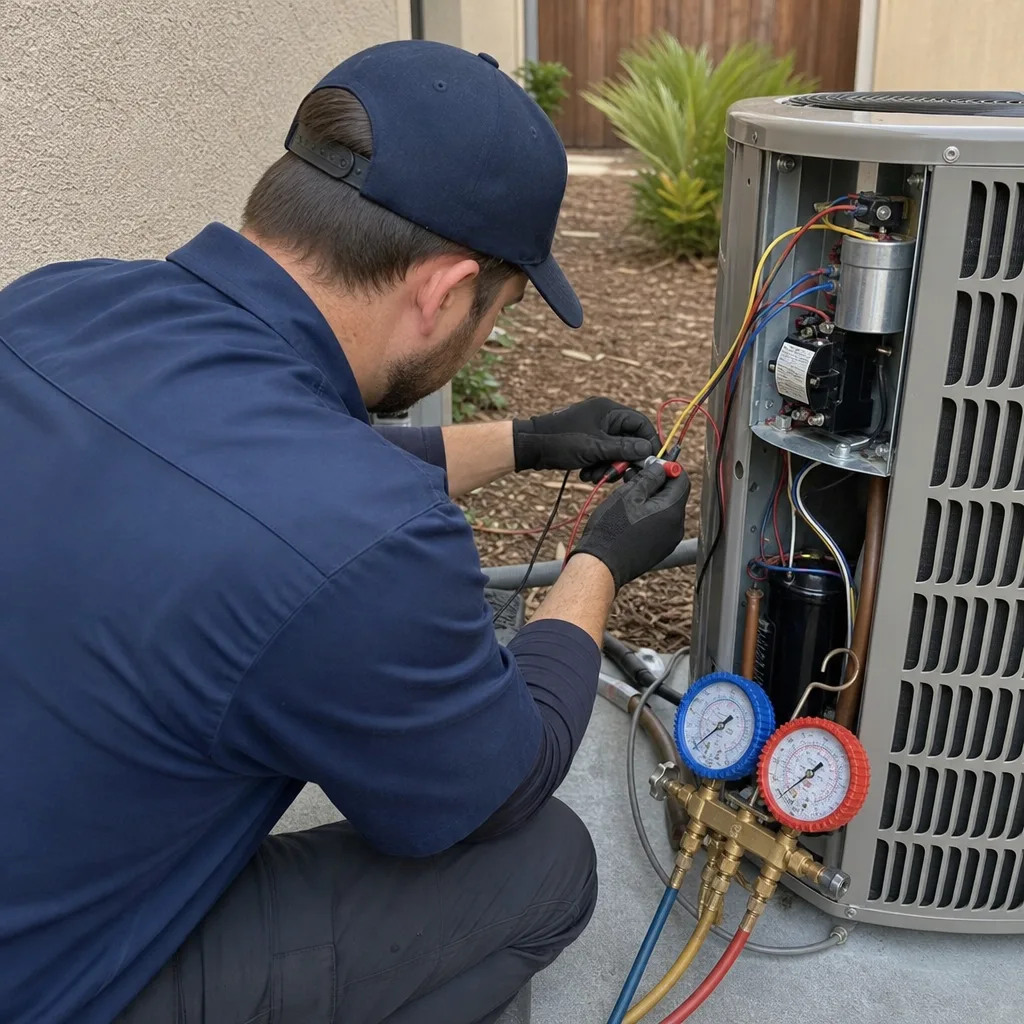 After
AfterWhen to Call a Professional
Some HVAC tasks are DIY-friendly: rinsing the condenser coil, replacing the filter, checking the drain line, keeping debris clear. Others are not. For help deciding, read our DIY vs Professional HVAC: The Fresno Homeowner’s Decision Guide. Call a professional if you see any of these things: ice building up on the outdoor coil in winter and not melting by afternoon, a persistent burning smell from the furnace that doesn’t fade after the first few minutes, any smell of gas, a heat exchanger inspection that requires combustion analysis, or a system that repeatedly trips a circuit breaker. Refrigerant leaks, capacitor replacements, and heat exchanger inspections involve high voltage, high pressure, or combustion safety. These are the jobs where a trained professional with the right tools and training prevents injury and property damage. Brandt HVAC Co Fresno offers free estimates in Fresno, and you’ll always see a written price before any work begins. Call (559) 354-6878.
Frequently Asked Questions
Twice a year, minimum. A spring cooling inspection and a fall heating inspection covers both systems and satisfies most extended warranty documentation requirements. In Fresno specifically, we recommend adding a mid-summer filter and airflow check if wildfire smoke is heavy or if the summer is unusually hot. Total cost for two professional maintenance visits typically runs $150 to $350 per year.
Professional seasonal maintenance in Fresno typically runs $75 to $180 per visit for a single system, or $150 to $350 per year for two annual visits. Spring coil cleaning runs $75 to $150. Fall furnace inspection and tune-up runs $89 to $180. Repairs found during maintenance, like a failing capacitor or a dirty flame sensor, add $150 to $400 depending on the part. Call (559) 354-6878 for a free estimate on any service.
Yes. Your furnace or heat pump heating cycle has been idle since March, and the first cold morning of Tule fog season is the first time it’s been tested in eight months. Fall maintenance catches problems like a cracked igniter, a dirty flame sensor, or a failing gas valve before that first cold night. A fall inspection costs $89 to $180. A no-heat emergency repair during a fog inversion costs two to three times as much and leaves you cold in the meantime.
During heavy wildfire smoke, a standard MERV 8 filter can saturate in 10 to 14 days, compared to 60 to 90 days under normal conditions. Check the filter weekly during smoke events. If you can’t see light through the filter media, it’s done. Upgrading to a MERV 11 or MERV 13 filter during smoke season improves indoor air quality, but confirm your system can handle the added resistance first.
No. Modern condensers are built to sit outdoors year-round. Covers trap moisture against the coil during Fresno’s freeze-thaw cycles, which accelerates corrosion. They also create nesting space for rodents. If you want to protect the unit, keep the coil clean entering winter, clear leaf debris from the base, and leave it uncovered.
Yes. Most extended warranties from major brands, including Rheem, York, Daikin, and Bryant, require documentation of routine professional maintenance as a condition of coverage. Two visits per year, recorded in a maintenance log with invoices and service reports, satisfies the requirement. Without records, a failed compressor or heat exchanger can mean a denied claim that costs you thousands.
The Bottom Line
Fresno’s climate is a four-season stress test for HVAC equipment, and the systems that survive it longest are the ones maintained for all four seasons. Spring prep catches cooling problems before first heat. Summer attention to filters and airflow keeps the system running during peak load and smoke events. Fall heating inspection is the most important maintenance window in this city, because it’s the only chance to catch heating failures before Tule fog sets in. Winter is about monitoring freeze-thaw damage and keeping heat pumps defrosting properly. If you do the maintenance, keep the records, and call for help early when something changes, your system will last years longer and cost thousands less to own. That’s the whole point.
Written by Devin Marlowe, Owner at Brandt HVAC Co Fresno, serving Fresno since 2003.