
Last updated October 16, 2026
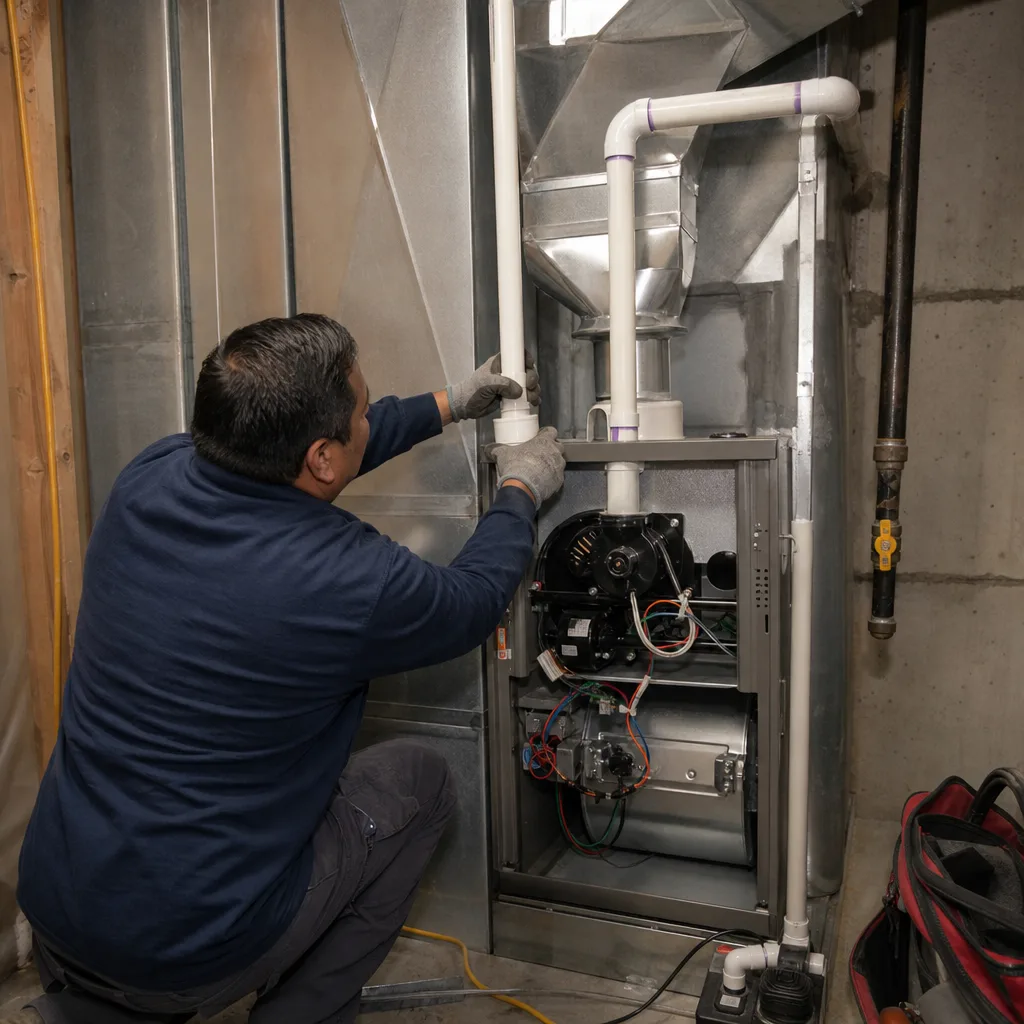
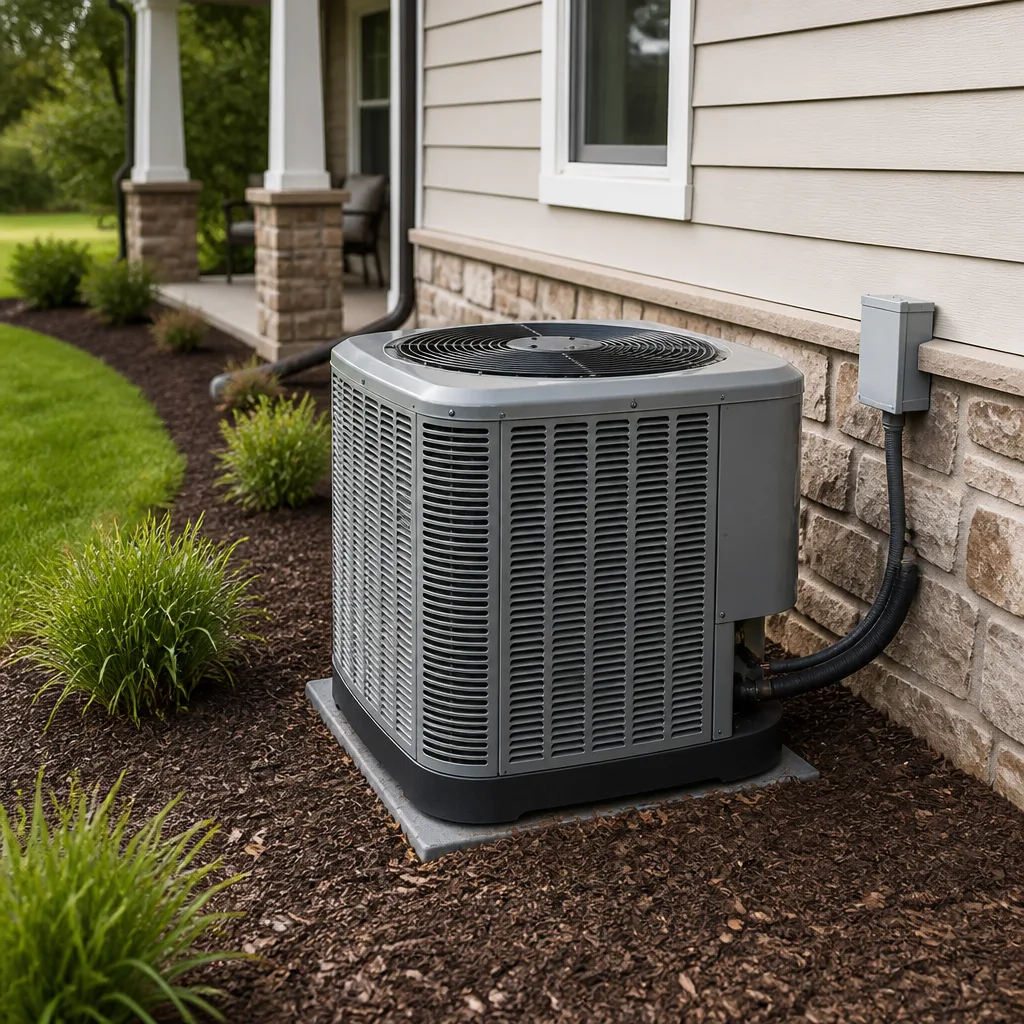 AC repair
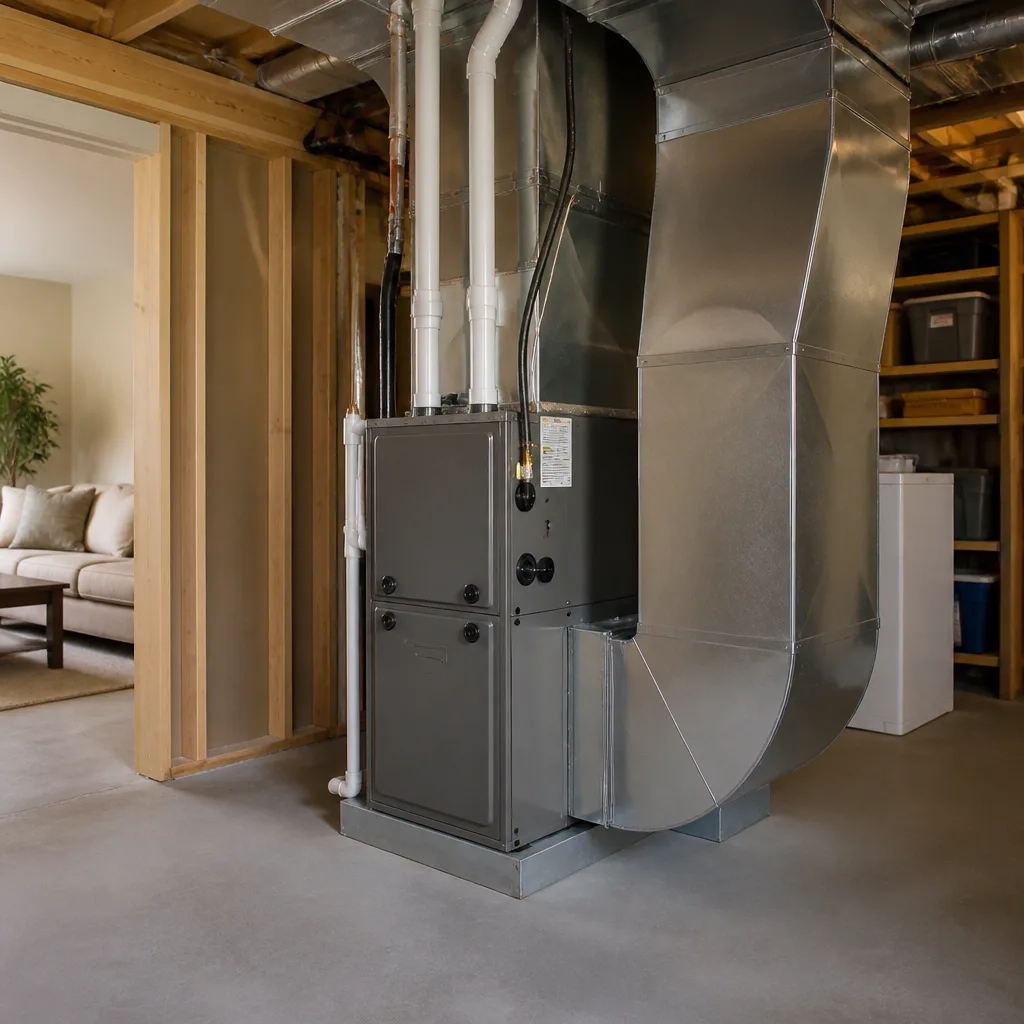 Furnace & heating
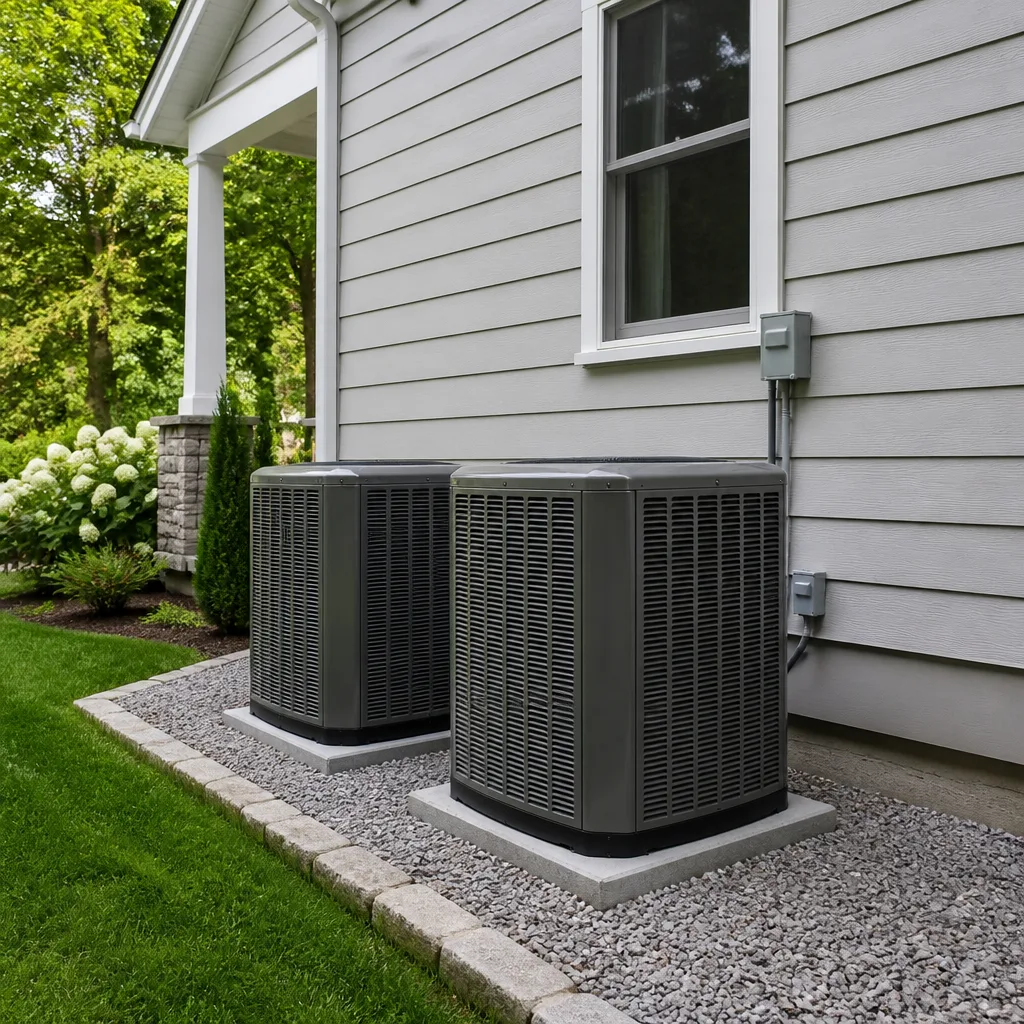 Heat pumps
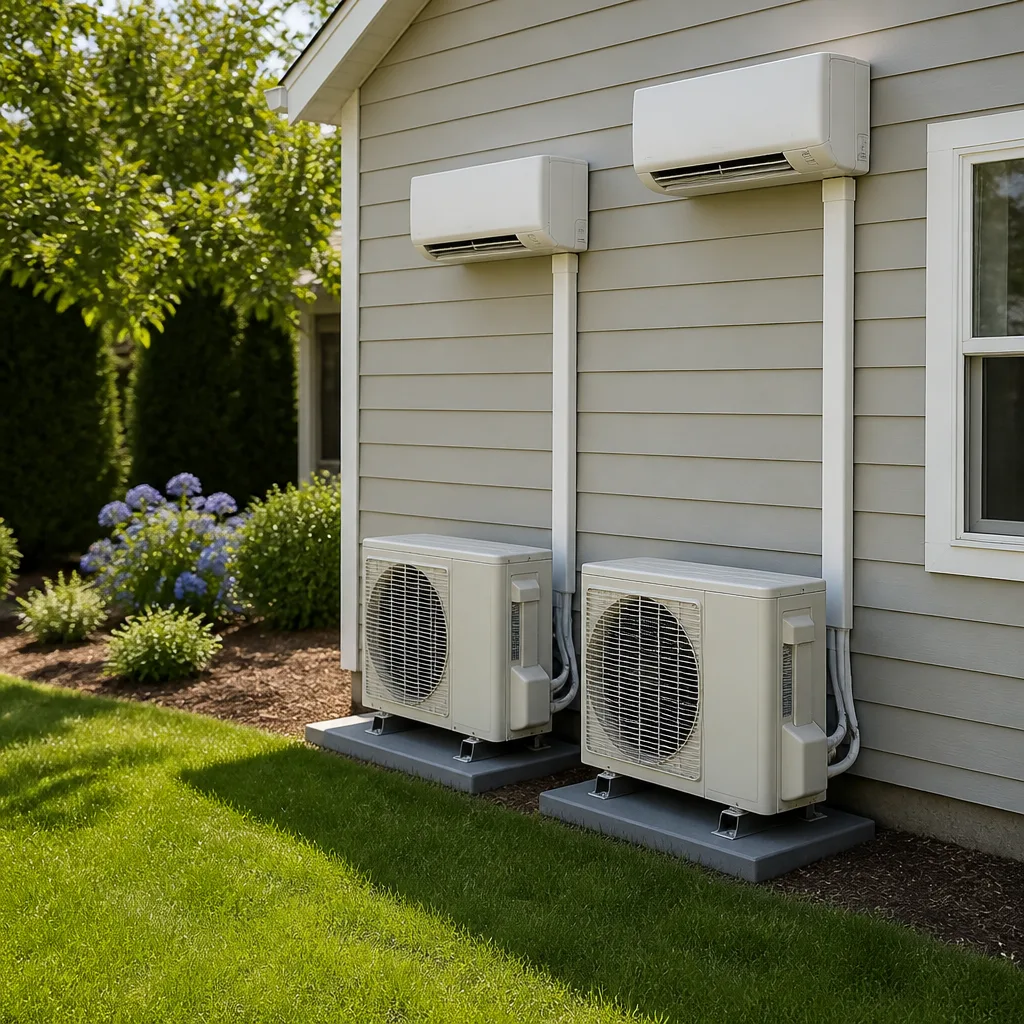 Ductless mini splits
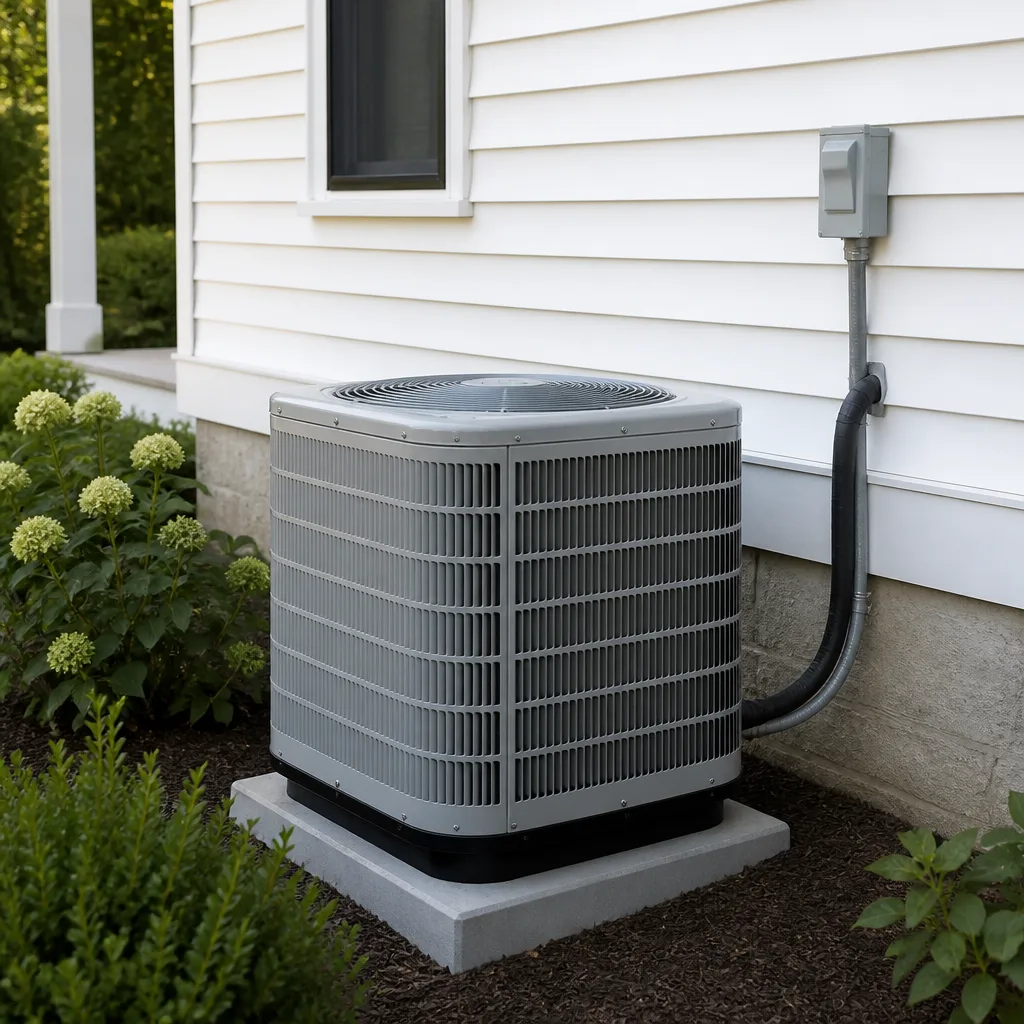 Carrier
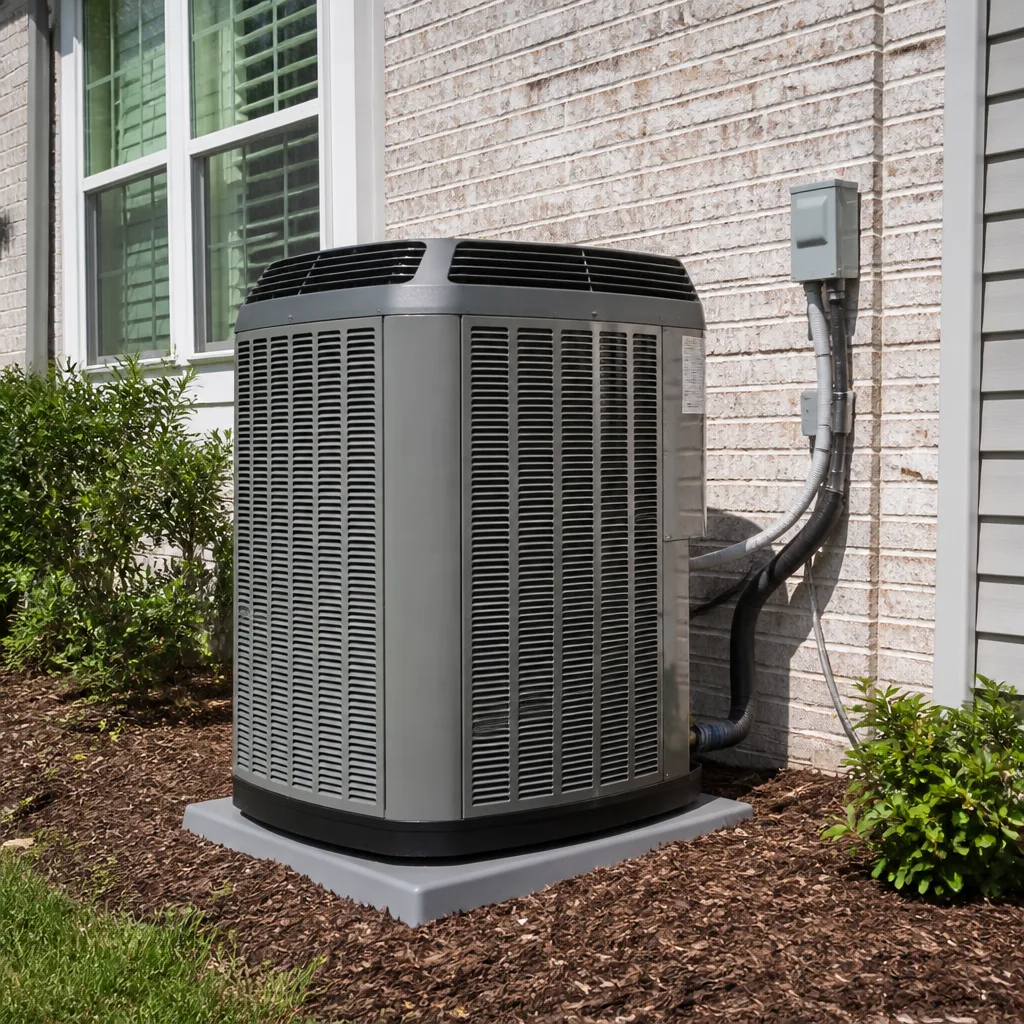 Trane
Trane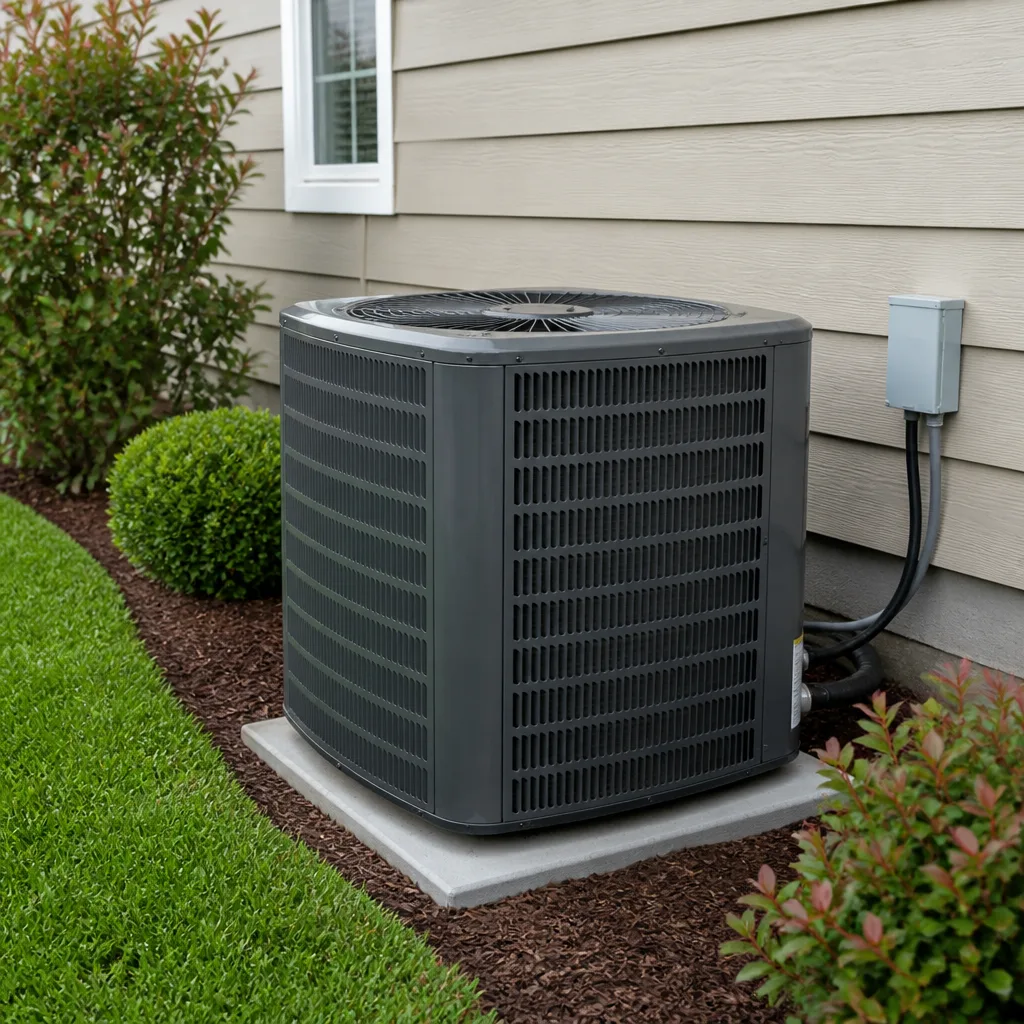 Goodman
Seasonal tune-up and full diagnostic on your Carrier, Trane, or Goodman system - readings shown to you before any repair is proposed
Diagnosis first, numbers second - you approve the repair price before a single part goes in.
Get your free estimateThe Complete Guide to HVAC in Fresno
Fresno averages more than 100 days a year above 100°F, yet most “complete HVAC guides” online are written for cities that never break 90. That matters more than you’d think. A system sized for a mild coastal climate will run twice as hard, fail twice as fast, and cost twice as much to operate in a Fresno summer. This guide is built around the specific engineering problem that is the Fresno climate: extreme dry heat from May through September, sub-freezing fog nights from December through February, and air quality that shifts from agricultural dust to wildfire smoke depending on the season. By the end, you’ll know how your system actually works in this valley, what maintenance genuinely matters here, what repairs should cost, and how to avoid paying for work that doesn’t solve the real problem. For DIY vs Professional HVAC: The Fresno Homeowner’s Decision Guide, see our dedicated post. We’re Brandt HVAC, and we’ve been maintaining and repairing residential systems in Fresno since 2003.
Styles & brands we work with
Quick Answer
HVAC in Fresno is a dual-season engineering problem: your system must handle 105°F-plus summer highs and winter nights that dip below freezing under dense Tule fog, which means proper sizing, year-round maintenance, and filter and coil schedules tuned to San Joaquin Valley air quality matter more here than almost anywhere in California. A well-maintained Fresno system lasts 12 to 15 years, while a neglected one can fail by year 8. Most residential Fresno HVAC work breaks down into three categories: AC repair, furnace repair, and AC maintenance, with typical repairs ranging from $150 for a capacitor to $3,500 or more for a coil replacement, and full system replacement running $8,000 to $16,000 depending on efficiency and size. For a detailed breakdown, see our HVAC Cost Breakdown: The Fresno Homeowner’s Reference for 2026.
Table of Contents
- Fresno’s Climate Is Its Own Engineering Problem
- How a Central HVAC System Works in Plain Language
- SEER Ratings vs. Fresno’s Radiant-Heat Attics
- The Tule Fog Problem: Why Winter Hits Different in Fresno
- San Joaquin Valley Air Quality and Your Filter Schedule
- Reading PG&E Time-of-Use Rates to Cut Your Cooling Bill
- What HVAC Repairs Actually Cost in Fresno
- The Maintenance Schedule That Actually Works in This Climate
- Who’s Coming Through Your Door: The Threshold Verified Standard
- Common Mistakes to Avoid
- When to Call a Professional
- Frequently Asked Questions
- The Bottom Line
Fresno’s Climate Is Its Own Engineering Problem
The American Society of Heating, Refrigerating and Air-Conditioning Engineers (ASHRAE) publishes design temperature data for every city in the country. Fresno’s design cooling temperature is 100°F. That’s the temperature the equipment is expected to handle at peak load. But here’s what the design data doesn’t capture: Fresno regularly exceeds that number for weeks at a time. In the summer of 2024, Fresno saw 12 consecutive days above 105°F, with overnight lows holding near 80°F. That’s the real stress test. A system that can bring a 78°F house down to 72°F when it’s 100°F outside might not manage it at 108°F, especially in the late afternoon when attic temperatures exceed 140°F and the condenser is baking on the west side of the house.
Then winter comes. Fresno’s Tule fog settles into the valley floor and doesn’t leave for days. Temperatures hold in the mid-30s, but the fog means the air never dries out. Humidity rises to 90% or higher. Furnaces run continuously, not because it’s desperately cold, but because damp cold is harder to offset than dry cold. Heat pumps, popular in the rest of California, work harder in fog because frost cycles engage more frequently, and the fog blocks the overnight sky radiation that would normally help clear condensate. In our experience, winter service calls in Fresno spike about 10 days after the first heavy fog settles in: igniters fail, drain lines clog, and heat pump defrost boards go haywire. This isn’t a flaw in your equipment: it’s the climate asking your system to do two very different jobs in one year.
How a Central HVAC System Works in Plain Language
Your central HVAC system has two halves. The cooling half uses refrigerant, a chemical fluid that absorbs heat from inside your home and releases it outside. The furnace half burns natural gas (or runs electric coils) and pushes heated air through the same network of ducts. Both halves share the blower motor, the thermostat, the condensate drain, and the air filter. When one shared component goes bad, both heating and cooling can fail, which is why a “no heat” call in January sometimes turns out to be a failed blower capacitor that was also the reason the AC was weak back in August.
Here’s the sequence, step by step, for a standard Fresno summer cooling cycle:
- The thermostat reads room temperature and calls for cooling.
- The blower kicks on, drawing air from your return vent, through the filter, and across the evaporator coil.
- The compressor outside starts and begins pumping refrigerant through the line set to the coil.
- The refrigerant absorbs heat from the air passing over the coil, dropping the air temperature 15 to 20°F before sending it into the supply ducts.
- Condensation forms on the cold coil, drips into a pan below it, and drains to the outside or a plumbing line.
- The heated refrigerant returns outside to the condenser unit, where a fan blows across a coil to release that heat into the scorching Fresno air.
- When the thermostat satisfies, the compressor stops, and the blower runs another 30 to 90 seconds to push the last of the cooled air through the ducts.
That last step matters more in Fresno than in humid climates because the coil stays cold for a few minutes after shutdown. Running the blower a bit longer wrings extra efficiency out of every single cooling cycle. If your system has a short fan-on delay or the blower doesn’t run after the compressor shuts off, you’re leaving real money on your PG&E bill. We set this on every AC maintenance in Fresno visit precisely because of how our cycles differ from coastal California.
SEER Ratings vs. Fresno’s Radiant-Heat Attics
SEER stands for Seasonal Energy Efficiency Ratio. It’s a lab-tested number that tells you how efficiently an air conditioner converts electricity into cooling. A base system today runs 14 SEER. High-efficiency units go to 20 SEER or beyond. The efficiency labels on new equipment are real, but they were calculated under controlled lab conditions, not in a Fresno attic at 3 p.m. in July.
Here’s what actually happens in the real world. Your evaporator coil isn’t in a temperature-controlled room. It’s in your attic, where radiant heat from the roof deck pushes temperatures to 130°F, 140°F, sometimes higher in the peak of summer. Duct work runs through that same attic. Air leaving the coil at a comfortable 55°F gets warmed by the time it reaches your living room registers. In older Fresno homes with uninsulated or poorly sealed ducts, you can lose 20 to 30% of your cooling capacity before it reaches the room. That’s not a manufacturer’s problem; no SEER label accounts for a 140°F attic.
What does this mean for you as a homeowner? Two things. First, attic insulation and duct sealing can improve real-world efficiency more than jumping from 16 to 18 SEER. A hot attic is a leaky bucket: fix the bucket first. Second, when you do shop equipment, compare systems by their EER (Energy Efficiency Ratio) as well as SEER, because EER measures performance at a fixed 95°F outdoor temperature, closer to a Fresno summer afternoon than the seasonal average the SEER test uses. Brands like York, Daikin, and American Standard all publish EER ratings, and we quote both numbers when we put a proposal in front of a Fresno homeowner. If a contractor only talks SEER, ask about EER. That question alone will tell you whether they understand valley conditions.
The Tule Fog Problem: Why Winter Hits Different in Fresno
Heat pumps are becoming more popular across California, and they work fine in Fresno, but they have a specific weakness here that generic installation guides don’t mention. A heat pump heats your home by extracting heat from the outdoor air and releasing it inside. When outdoor air is cold, the pump works harder. When outdoor air is cold and saturated with fog, the outdoor coil gets colder than the surrounding air, causing moisture in the air to freeze on the coil. The unit detects the frost and runs a defrost cycle: it briefly switches to cooling mode, heats the outdoor coil to melt the frost, then returns to heating.
In a normal California winter, defrost cycles run every 60 to 90 minutes during the coldest stretch of the night. Under Tule fog, conditions stay within the frost formation band (roughly 30°F to 40°F, high humidity) for hours at a time. Units defrost every 20 to 30 minutes. You’ll hear the outdoor unit hiss and see steam rise off it. That’s normal, but it means the system is spending a significant share of its runtime in a mode that isn’t heating your home, and it needs every component functioning perfectly: the defrost thermostat, the reversing valve, and the auxiliary heat strips that keep the air from blowing cold during defrost. When one of those components fails, you get lukewarm air and a house that never quite warms up, even though the system is running constantly.
Standard winter startup checklists written for generic climates don’t include fog-specific items. If you have a heat pump in Fresno, your fall maintenance should include a reversing valve test, a defrost cycle verification, and a check of auxiliary heat operation. A gas furnace needs the same fog attention differently: the damp air means flame sensors and igniters fail more often than in dry climates, and the condensate drain that handled summer AC condensate is now handling acidic furnace condensate instead, which gradually dissolves the plastic fittings. We see it every January: a technician arrives for a no-heat call, finds a furnace locked out because the condensate drain cracked and dripped onto the control board. The fix is $200; the board it killed is $600. The right maintenance visit in October would have caught the crack before the drip started.
San Joaquin Valley Air Quality and Your Filter Schedule
Fresno sits in the San Joaquin Valley, which has some of the most reliably poor air quality in the United States. The valley’s bowl-like geography traps particulate matter from agricultural operations, heavy diesel traffic on Highway 99 and I-5, and seasonal wildfire smoke that drifts down from the Sierra foothills. The same air you don’t want to breathe is the air your HVAC system pulls through every hour it runs.
Your air filter has two jobs: protect the equipment from dust buildup and clean the air you breathe. Most national filter-change guidance says every 90 days. That’s wrong for Fresno. Here’s a realistic schedule based on what we see in homes across the city:
- Standard 1-inch pleated filter (MERV 8): check every 30 days, replace at 60 days maximum during summer months when the system runs 10 to 14 hours a day.
- Higher-MERV filter (MERV 11 or 13): replace every 60 days year-round, more often during wildfire season, which for Fresno means August through October in most years.
- 4-inch or 5-inch media filters: these last longer, typically 6 to 8 months, but check them monthly during smoke events; a MERV 13 media filter can clog in four weeks when the AQI stays above 150.
- Evaporator coils: in most climates, coil cleaning is an every-two-years job. In Fresno, agricultural dust and wildfire ash combine to form a crust on coils. We recommend annual coil cleaning on systems that run more than 2,000 hours per cooling season.
One more Fresno-specific wrinkle: cottonwood season in late spring. If you live near a park or in an older neighborhood with mature trees, the cottonwood seed fibers clog condenser coils from the outside. An annual condenser wash in May or June, before the real heat arrives, prevents the classic 100°F-day no-cooling call where the outdoor unit is overheating because it can’t reject heat through a blanket of seeds and dust. This is standard on our AC maintenance visits, because skipping it causes preventable compressor failures.
Reading PG&E Time-of-Use Rates to Cut Your Cooling Bill
Pacific Gas and Electric serves most of Fresno, and like most California utilities, PG&E prices electricity differently depending on the time of day. The standard residential plan for Fresno customers is a time-of-use schedule. In summer, peak rates run from 4 p.m. to 9 p.m., when demand is highest and the grid is strained. Off-peak hours, especially overnight and early morning, cost a fraction of the peak rate.
The common advice is “supercool your house at night and shut the AC off during peak hours.” That’s directionally correct but incomplete for Fresno’s construction stock. Fresno homes vary wildly in thermal mass: a 1960s-block home with lath-and-plaster walls can hold a cool charge much longer than a newer wood-frame home with light insulation and lots of glass. A strategy that keeps one home comfortable until 7 p.m. leaves another sweltering by 3 p.m.
Here’s a smarter approach that works for most Fresno single-family homes:
- Set a morning pre-cool. From about 10 a.m. to 2 p.m., when rates are mid-tier but the sun is heading toward peak, run the AC normally. This gets the thermal mass of the house cool before the evening price spike.
- Drop to a conservation setpoint from 4 to 9 p.m. Let the house drift up to 80°F or whatever you can tolerate, and use ceiling fans to stay comfortable. Fans cool people, not rooms: turn them off when you leave.
- Run a final cool-down from 9 to 10 p.m. Rates drop back to off-peak, and the house is cooling faster because outdoor temperatures are falling.
- Don’t use the thermostat’s “Away” setting during a Fresno heat wave. Recovering a house from 88°F back to 74°F at 5 p.m. during peak pricing costs more than holding it at 79°F all afternoon. Continuous operation at moderate load beats extreme cycling after a full heat soak.
Pair this schedule with a properly sized system, and a typical Fresno homeowner can cut the summer cooling bill by 15 to 25% without meaningful comfort loss. If you want to figure out your exact plan, we walk through your PG&E statement and thermostat settings during any AC maintenance visit.
What HVAC Repairs Actually Cost in Fresno
Every guide should give real numbers. Here’s what we see in the Fresno market for common residential HVAC repairs, parts and labor included, as of 2025:
- Capacitor replacement: $150 to $300. This is the single most common AC repair in Fresno summer. A failed capacitor means the compressor or fan won’t start. It’s a 30-minute job.
- Condensate drain clearing: $125 to $250. Clogged drains from summer AC use are routine, especially in older Fresno homes with narrow copper drain lines.
- Thermostat replacement: $200 to $400 installed, more for a smart thermostat with wiring adjustments.
- Blower motor replacement: $400 to $900 depending on whether it’s a standard motor or an ECM variable-speed motor.
- Igniter replacement (gas furnace): $150 to $300. This is the most common winter repair. Igniters crack from repeated thermal cycling, and fog-season humidity accelerates corrosion.
- Flame sensor cleaning or replacement: $100 to $200. Cleaning often fixes it; replacement is cheap insurance.
- Refrigerant leak repair and recharge: $500 to $1,200 depending on leak location and how much refrigerant (that’s the fluid that moves heat out of your home) needs to be replaced.
- Condenser fan motor replacement: $300 to $600.
- Evaporator coil replacement: $1,500 to $3,500. This is a half-day job that requires reclaiming refrigerant, swapping the coil, and recharging the system.
- Compressor replacement: $1,800 to $3,500 depending on system size and warranty status. If the system is over 10 years old, we often recommend considering full replacement instead.
- Full system replacement (AC and furnace): $8,000 to $16,000 in Fresno, depending on efficiency level, system size, and duct condition. High-efficiency York, Daikin, and Bryant systems with variable-speed blowers land toward the top of that range.
A few things to know about how we price. Every job starts with a written price before any work begins. If the repair takes longer than expected, the price doesn’t change. Every repair includes a written guarantee stating exactly what’s covered and for how long. Most repairs are guaranteed for 365 days under our Done Right Promise: if the repair fails within that year, we return at no charge and fix it correctly. No service fee, no parts charge, no argument.
The Maintenance Schedule That Actually Works in This Climate
National maintenance checklists say “check the filter, clean the coil, call it a day.” Fresno needs more. Here’s the schedule we recommend, tuned to how this valley actually behaves:
Spring (March to May)
- Replace the air filter and note the date with a Sharpie on the filter frame.
- Have the outdoor condenser coil washed to remove winter grime and cottonwood seed residue.
- Verify the condensate drain flows freely: pour a cup of water into the drain pan and watch it exit.
- Check refrigerant charge and adjust if needed. A system 10% low on charge runs hotter and costs more to operate, even before it stops cooling completely.
- Run the system for 20 minutes and measure the temperature drop across the coil. It should be 15 to 20°F.
Fall (October to November)
- Have the furnace heat exchanger inspected for cracks. This is a safety issue, not a performance issue: a cracked heat exchanger can release carbon monoxide into the living space.
- Clean or replace the flame sensor and check the igniter for hairline cracks.
- Verify the furnace drain is intact, especially if it’s still the original plastic from 2005.
- If you have a heat pump, run a forced defrost cycle and confirm the reversing valve and aux heat operate correctly.
- Check duct connections in the attic, especially at the plenum and any flex-duct takeoffs that may have separated over summer.
We recommend twice-yearly maintenance in Fresno, once before summer and once before winter. A spring tune-up catches cooling problems before the first 100°F day. A fall tune-up catches heating problems before the first Tule fog snap. Skipping one season doesn’t just risk a breakdown: it costs you money every month in reduced efficiency. A dirty coil can add 15% to your cooling bill without you ever noticing a comfort difference.
Who’s Coming Through Your Door: The Threshold Verified Standard
Here’s something most HVAC guides never address, and it matters as much as any capacitor or coil: when you call an HVAC company, you are inviting a stranger into your home. If you’re not sure how to choose, our How to Hire a HVAC Contractor in Fresno: A Step-by-Step Guide walks you through the process. Often while you’re alone, or while your kids are home from school, or while an elderly parent is napping in the next room. Most companies send a technician. You know the company name. You have no idea who the person is.
Brandt HVAC operates differently. Every technician who comes to a Fresno home is Threshold Verified. That means three specific things. First, every technician passes a background check before they ever enter a customer’s home: no exceptions, no seasonal hires who haven’t been vetted. Second, before the visit, you receive the technician’s name and photo by text or email, so you know exactly who to expect at the door. Third, when the technician arrives, they show a photo ID badge that matches the person you were told to expect. If anyone arrives who you were not told about in advance, that visit is on us. We make it right.
We do this because our customers tell us it matters. Homeowners in Fresno are not just worried about hot attics and failing capacitors. They’re worried about opening the door. The Threshold Standard is our answer: a residential HVAC company that treats identity verification as a core part of the service, not a nice-to-have. The name Brandt comes from an old word for a firebrand, a fitting name for work that keeps a home warm; and a brand, in every sense, is a mark that tells you what you’re getting.
Common Mistakes to Avoid
- Waiting until the first heat wave to schedule maintenance. In Fresno, the first 100°F week hits in May or June. Every company is booked solid the moment it hits. A March or April tune-up costs the same and gets you ahead of the rush.
- Buying the biggest system you can afford. Oversized systems short-cycle: they blast cold air for 10 minutes, shut off, and repeat. That leaves humidity in the air, wide temperature swings, and a compressor that dies early. In Fresno’s dry heat, you might think humidity isn’t a problem, but a short-cycling system still leaves hot spots and costs more to run. Size the system to the house, not the marketing.
- Running a dirty filter for months to save $15. A clogged filter restricts airflow, which freezes the coil, which causes the system to stop cooling entirely. The $15 filter failure becomes a $400 service call.
- Ignoring the condensate drain until water appears on the ceiling. In Fresno summers, the AC pulls gallons of moisture out of the air (yes, even when it’s dry outside, the coil still condenses moisture from indoor air). The drain that worked fine last year can clog in a single humid July week. Check it monthly.
- Choosing a contractor on price alone without asking who’s coming to the door. The lowest bid often means a subcontractor who hasn’t been background-checked, or a technician who doesn’t know Fresno’s specific conditions. A cheap repair that fails twice costs more than a good repair done once.
- Turning the AC completely off during a heat wave to save money. This is one of the few cases where the frugal move backfires. When you leave the house at 80°F all day, the walls, floors, and furniture soak up heat. The system then has to run for hours at full load to bring everything back down, often during peak PG&E rates. Set the thermostat to 82°F or 83°F when you leave, not off.
When to Call a Professional
Some repairs are genuinely DIY-able: swapping a filter, clearing a drain line with a shop vac, adjusting thermostat scheduling. Others are not. If you hear grinding from the outdoor unit, if the system blows warm air, if ice appears on the copper lines leading from the condenser, if the furnace produces a burning smell or yellow flame instead of blue, or if your breaker trips more than once, call a professional. Refrigerant handling requires EPA certification. Electrical work inside the cabinet carries real safety risk. And a furnace heat exchanger inspection is a carbon monoxide safety check, not a performance tune-up. If you’re in Fresno and dealing with any of these conditions, Brandt HVAC Co offers free estimates: call (559) 354-6878 and a live person answers, day or night.
Frequently Asked Questions
Most residential HVAC repairs in Fresno run between $150 and $1,200, depending on the problem. Capacitors, igniters, and flame sensors fall in the $150 to $300 range. Motors run $300 to $900. Refrigerant leaks and coil replacements run $500 to $3,500. Every job we do starts with a written price before work begins, so you know the number before anything gets touched. For an exact quote, call (559) 354-6878 and describe what your system is doing.
The standard rule is multiply the repair cost by the system’s age: if the result exceeds $5,000, replacement is worth considering. More specifically, if your system is over 12 years old, uses R-22 refrigerant, and needs a compressor or coil repair, replacement is usually the better financial decision. In Fresno, where summer runtime is extreme, a 15-year-old system has already delivered most of its useful life. Call (559) 354-6878 for an honest assessment: we’ll tell you when repair is the better path.
In Fresno, check your 1-inch filter every 30 days and replace it every 60 days during summer and wildfire season. The San Joaquin Valley’s persistent dust and smoke load means national 90-day guidance doesn’t apply here. A dirty filter is the most common cause of preventable cooling failure.
Our AC maintenance visit includes filter replacement, coil cleaning, refrigerant level check, drain line clearing, electrical connection tightening, thermostat verification, and a complete system performance test with a written report of what we found. In fall, the furnace version includes heat exchanger inspection, igniter and flame sensor checks, and drain integrity verification. Call (559) 354-6878 to schedule your next visit; our spring and fall slots fill fast in Fresno.
Frost on the outdoor coil is normal in Fresno’s Tule fog season, when temperatures sit in the mid-30s with 90% humidity. The unit runs a defrost cycle every 20 to 30 minutes to melt the frost off, which releases steam from the unit. If the frost persists for over an hour, or the system blows cold air inside during defrost, the defrost controls or auxiliary heat strips may have failed. Call (559) 354-6878 and we’ll diagnose it before the next fog snap.
Yes. We repair and maintain Carrier, Trane, Lennox, Goodman, Rheem, York, Daikin, Bryant, and American Standard systems. Our technicians work on all major residential brands every week, so there’s no brand affiliation pushing us toward one equipment line over another.
The Bottom Line
Fresno’s harsh, dual-season climate makes HVAC more than a convenience: it’s the difference between a livable home and a hazardous one. A system sized and maintained for Central Valley conditions will run 12 to 15 years, handle 108°F afternoons and 32°F fog nights, and cost 15 to 25% less to operate if you tune your runtime to PG&E’s time-of-use rates. A neglected system will fail in the worst possible week, on the worst possible day, and the repair will cost more than the maintenance that would have prevented it. The fundamentals are simple: size it right, maintain it twice a year, change the filter more often than the national average, and know who’s coming through your door. For more guides & resources on keeping your Fresno home comfortable, explore our blog. That last part is why Brandt HVAC Co Fresno exists: we send you a name and photo before every visit, and we put a written price in your hand before any work begins.
Written by Devin Marlowe, Owner at Brandt HVAC Co Fresno, serving Fresno since 2003.
See the difference
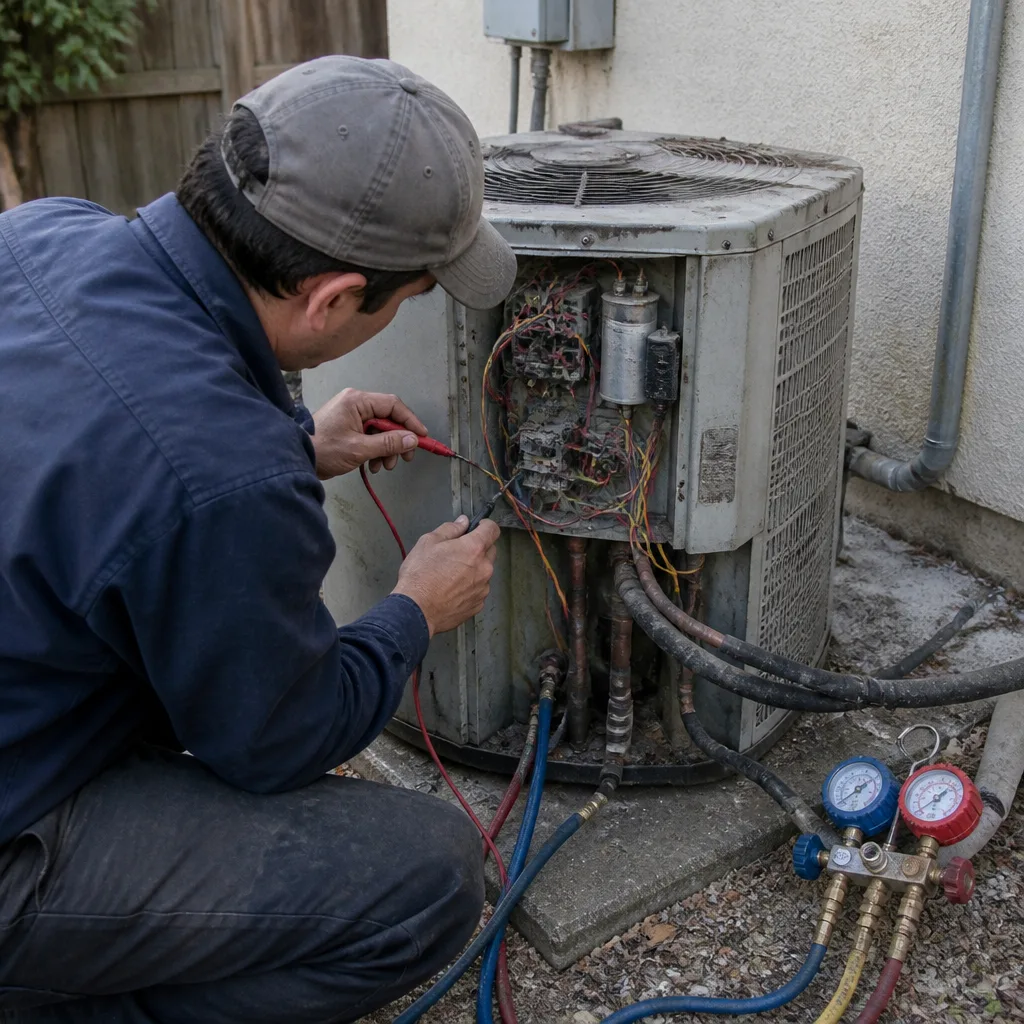 Before
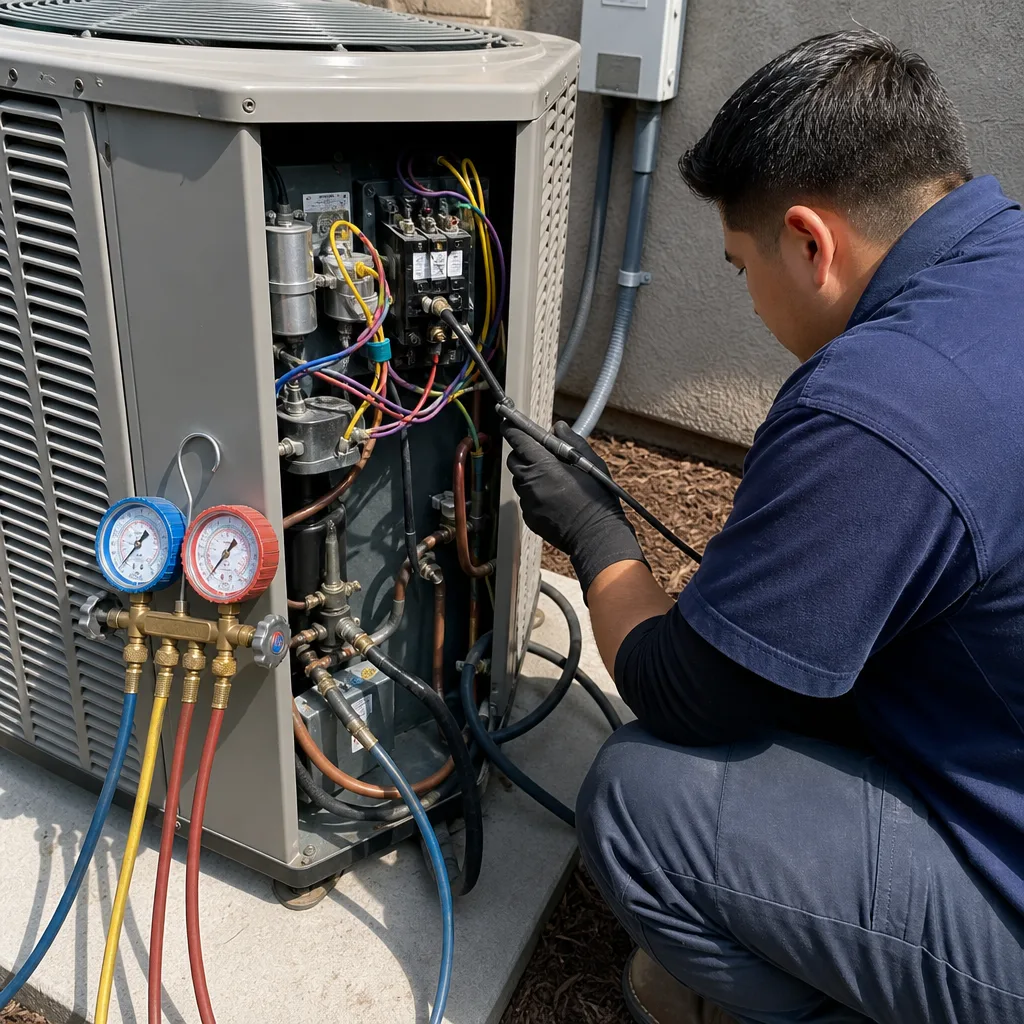 After
After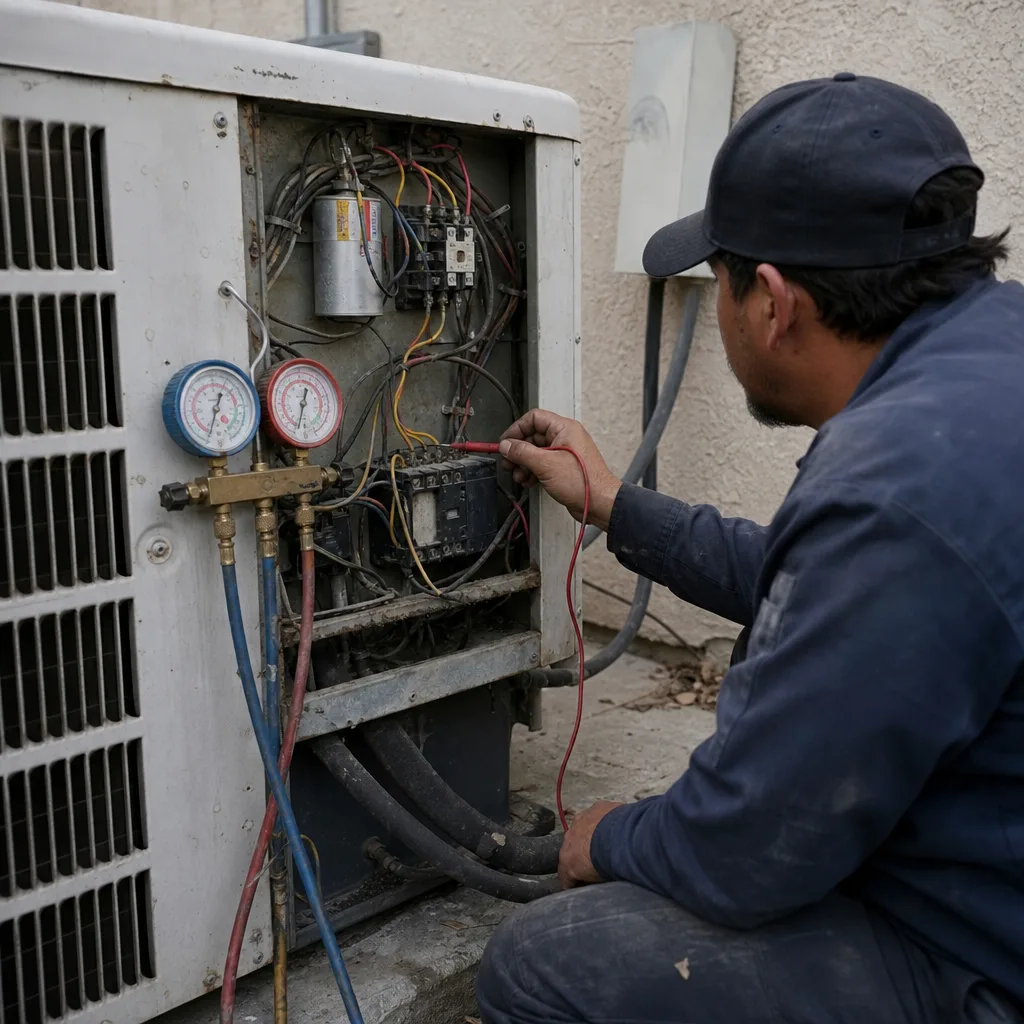 Before
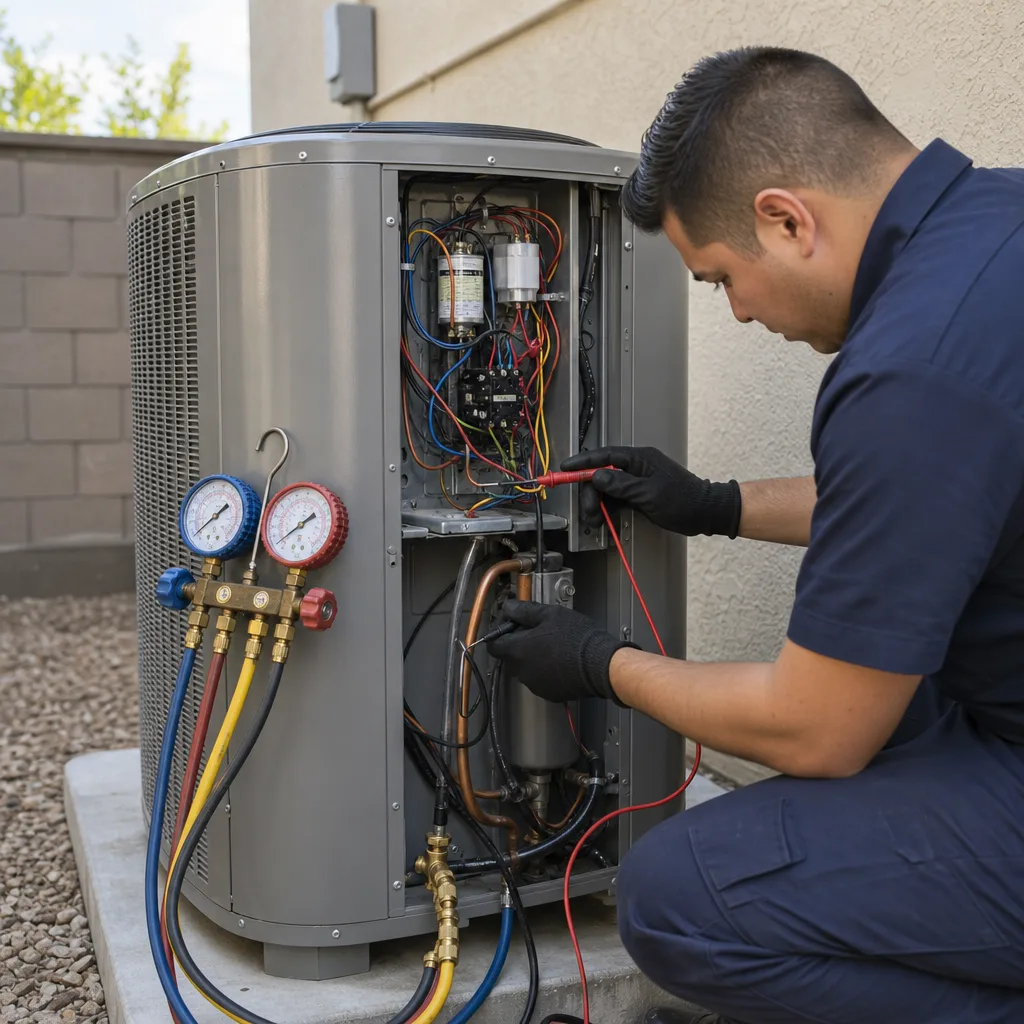 After
After Before
 After
After