
Last updated October 16, 2026
 AC repair
 Furnace & heating
 Heat pumps
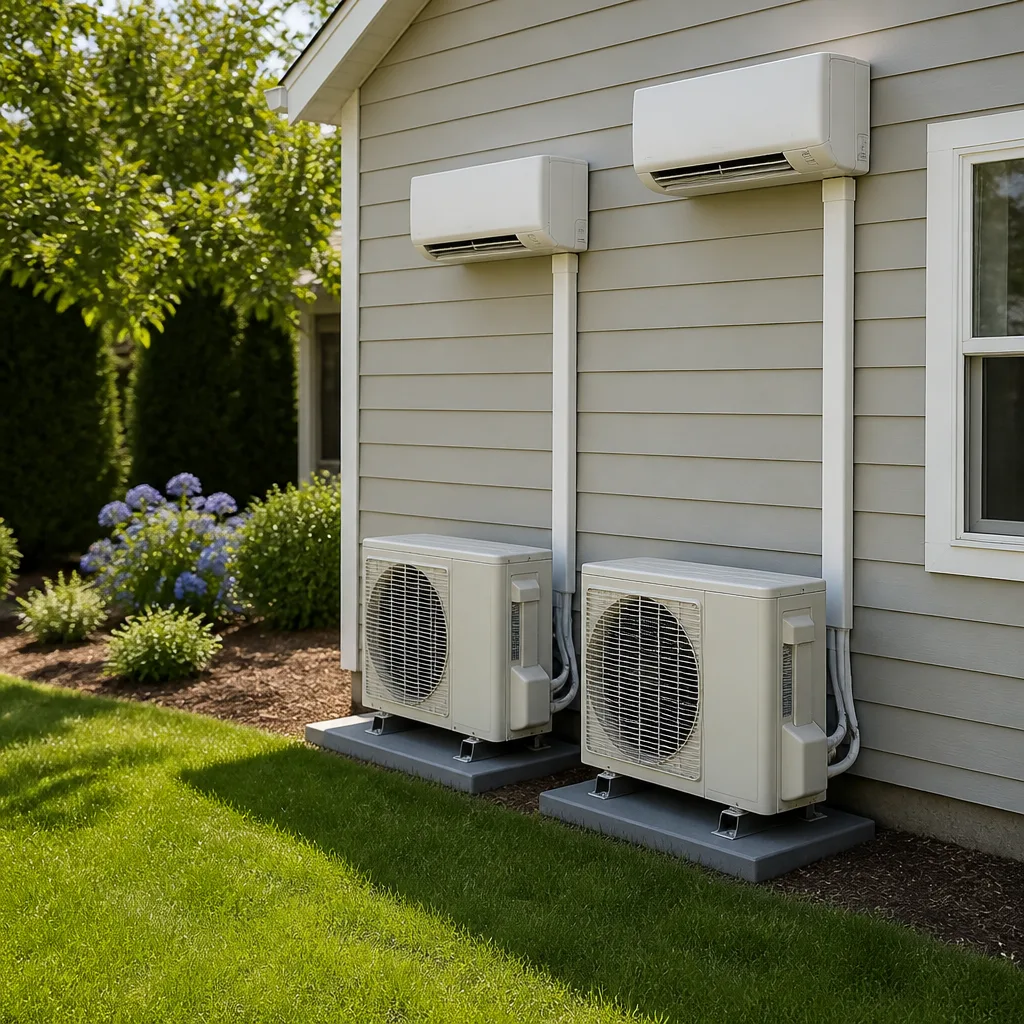 Ductless mini splits
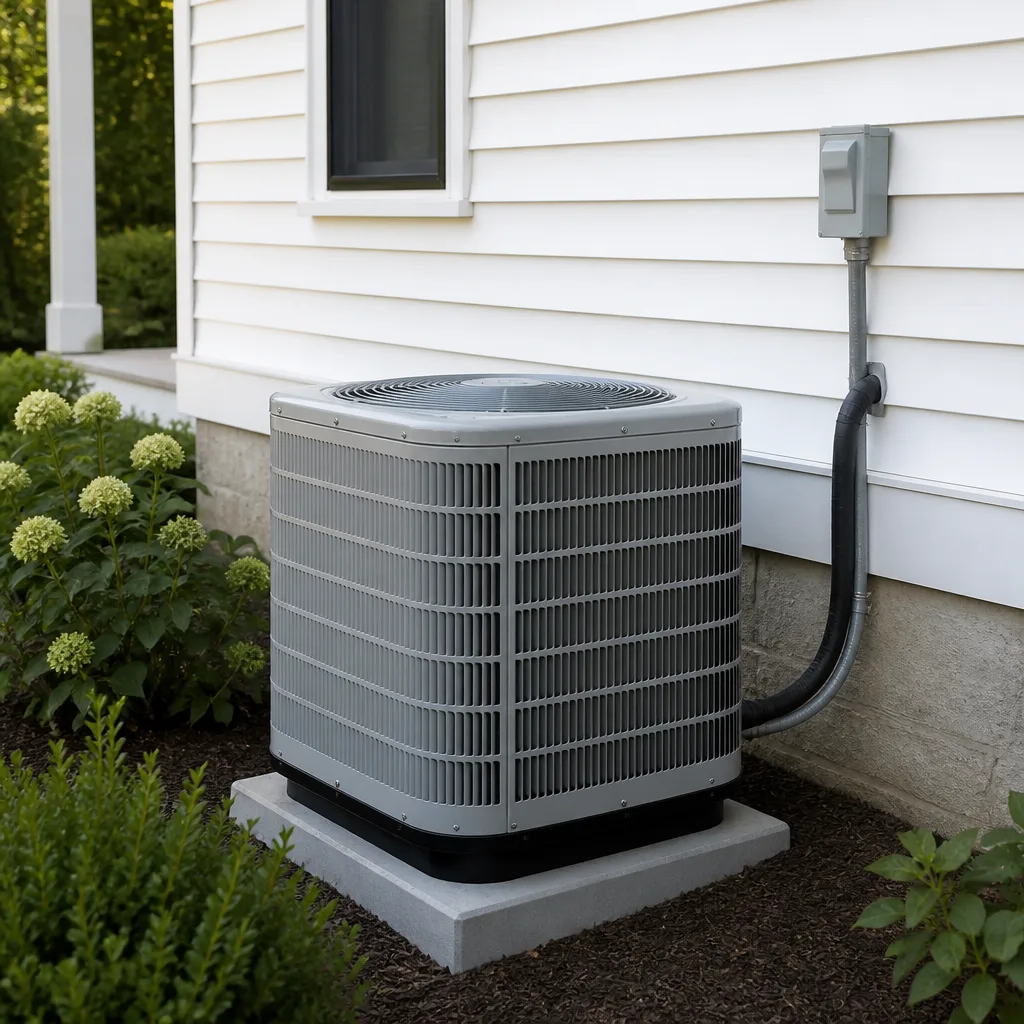 Carrier
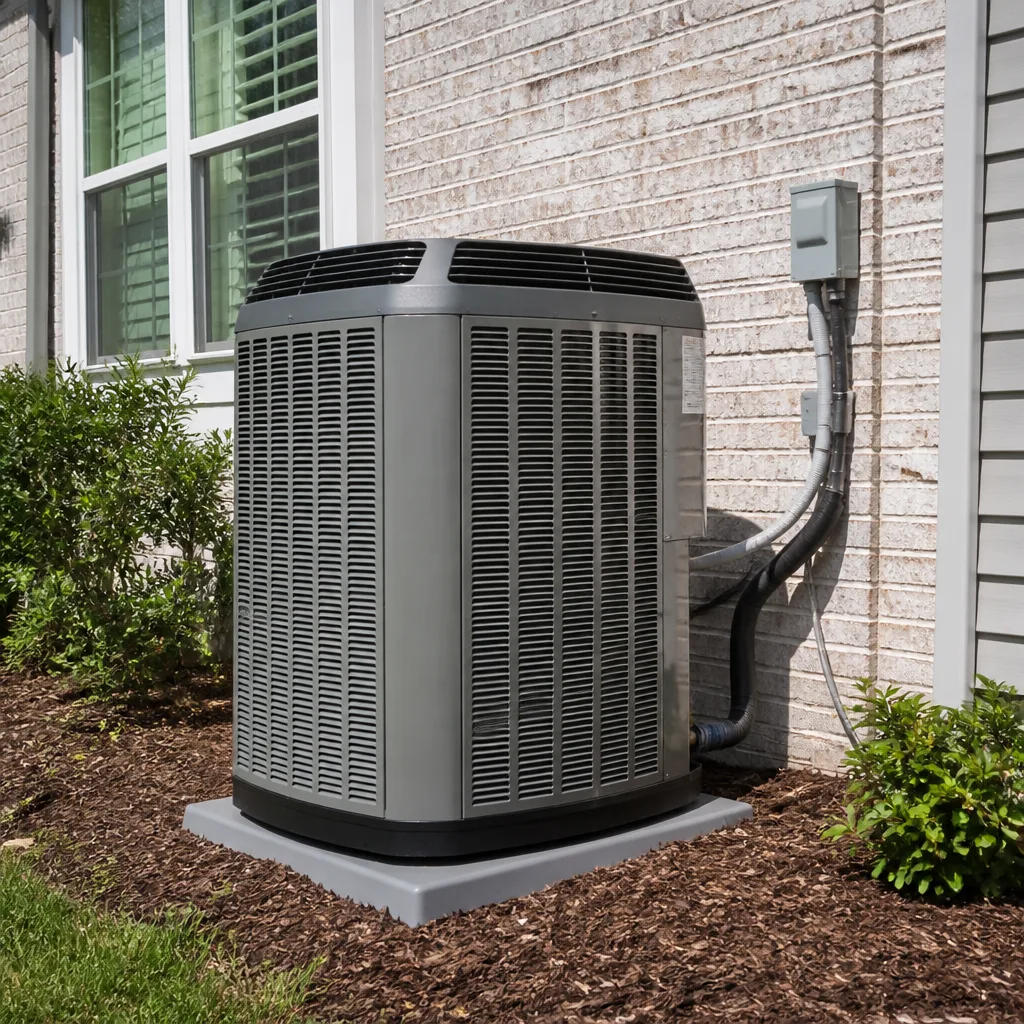 Trane
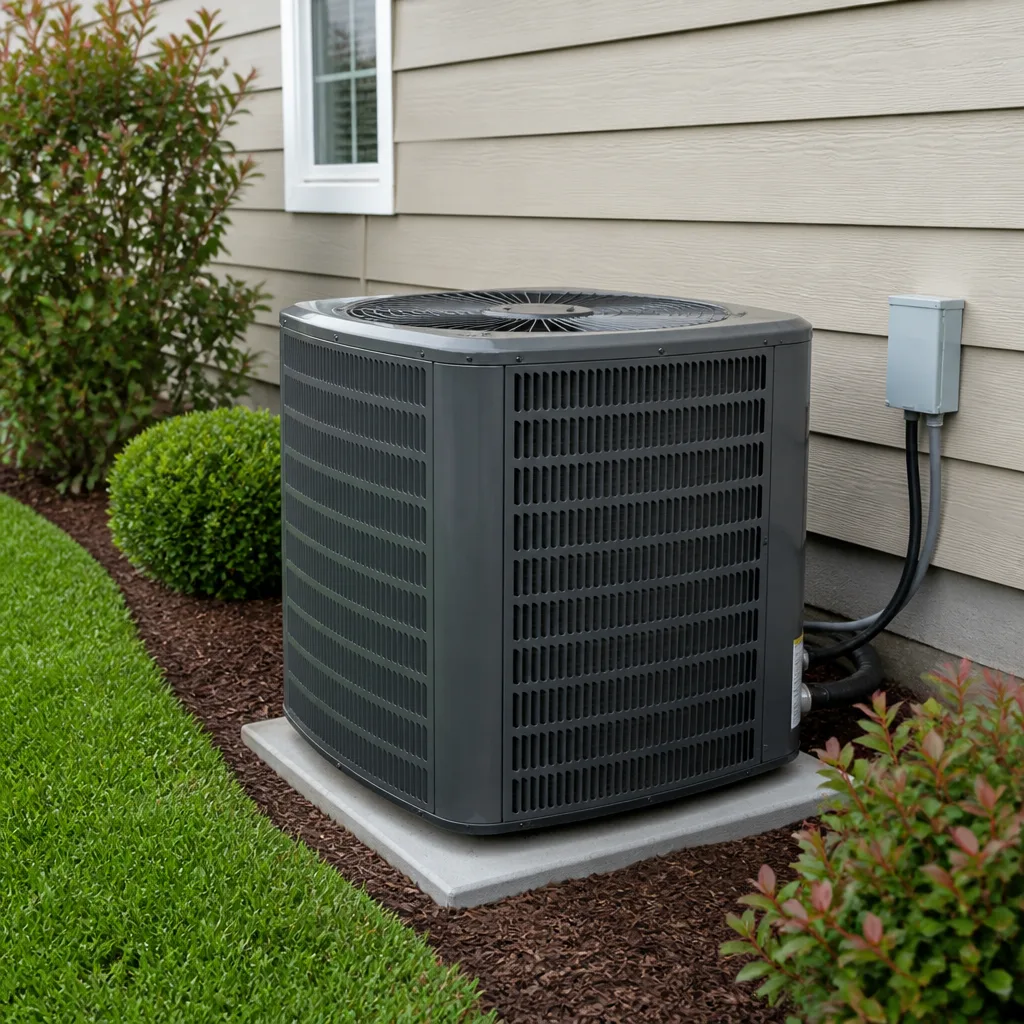 Goodman
Seasonal tune-up and full diagnostic on your Carrier, Trane, or Goodman system - readings shown to you before any repair is proposed
Diagnosis first, numbers second - you approve the repair price before a single part goes in.
Get your free estimateHVAC Permits, Codes & Inspections in CA: What You Need to Know
Here’s a fact most Fresno homeowners learn the hard way: if an unpermitted HVAC installation fails and causes a fire or injury, your homeowner’s insurance carrier has legal grounds to deny the claim in California. This isn’t a hypothetical – it’s policy language. The insurance company doesn’t need to prove the unpermitted work caused the failure. They only need to show you had a material change to the home that was never inspected and never disclosed. This guide explains exactly when California law requires an HVAC permit in Fresno, what those permits cost, what inspectors actually check, and what to do if you discover a previous owner skipped the process entirely. For more guides & resources on protecting your home, see our blog. You’ll walk away knowing more about Fresno’s permit system than most contractors will admit to.
Styles & brands we work with
Quick Answer
In Fresno and throughout California, you need a mechanical permit for any HVAC work that involves installing new equipment, replacing a furnace or air conditioner, moving equipment, or modifying ductwork. Simple repairs – like swapping a capacitor, replacing an igniter, or cleaning a flame sensor – don’t require a permit, but knowing the HVAC Warning Signs: A Fresno Homeowner’s Reference Guide can help you catch problems early. The permit must be pulled before work starts, a city inspector must approve the installation, and skipping this process can void your insurance claim and create a mandatory disclosure problem when you sell.
Table of Contents
- When California Law Requires an HVAC Permit in Fresno
- How the Fresno HVAC Permit Process Actually Works
- How to Check if Your Current HVAC System Was Ever Permitted
- What a Fresno City HVAC Inspector Actually Looks At
- Title 24 Energy Compliance for Fresno HVAC Replacements
- What Happens When a Previous Owner Skipped the Permit
- Questions to Ask Your Contractor Before Work Begins
- Common Mistakes to Avoid
- When to Call a Professional
- Frequently Asked Questions
- The Bottom Line
When California Law Requires an HVAC Permit in Fresno
The California Mechanical Code (CMC) is the governing document here, and Fresno enforces it through the city’s Building and Safety Division. The trigger for a permit is surprisingly straightforward: any time you’re changing the equipment’s physical installation – not just repairing it – the law treats that as new work. New work requires inspection. Inspection requires a permit.
Here’s the distinction that matters in Fresno:
Work that requires a permit:
- Installing a new furnace or air conditioner
- Replacing an existing furnace or AC unit with a different model
- Adding air conditioning to a home that didn’t have it before
- Moving a furnace or AC unit to a different location
- Installing new ductwork or significantly modifying existing ducts
- Adding supply or return registers
- Installing a new gas line for a furnace or water heater
- Converting from electric heat to gas heat, or vice versa
- Installing a whole-home heat pump system
Work that does NOT require a permit:
- Replacing a capacitor, contactor, or igniter
- Cleaning a flame sensor or burners
- Recharging refrigerant (when done as a repair, not a full replacement)
- Replacing a thermostat
- Changing filters or cleaning coils
- Tightening electrical connections during a maintenance visit
- Most AC Repair in Fresno work
One nuance Fresno homeowners often miss: if you’re replacing a furnace with the exact same model and it’s a like-for-like swap, some contractors will claim no permit is needed. That’s incorrect in Fresno. A replacement is a replacement. The city wants to verify the gas connections, venting, electrical connections, and condensate drainage – even on a like-for-like swap.
We’ve handled enough Fresno replacements to know the difference between a repair and an installation, and we pull permits on every job that requires one. It’s not optional for us because it shouldn’t be optional for you.
How the Fresno HVAC Permit Process Actually Works
The Fresno permit process follows a specific sequence. Understanding it helps you spot when a contractor is cutting corners.
- The contractor or homeowner applies for a mechanical permit through the City of Fresno Building and Safety Division. The application requires basic project details: equipment type, location, fuel source, and estimated cost.
- The permit fee is calculated based on the project valuation. In Fresno, expect to pay somewhere in the $100 to $300 range for a typical residential HVAC permit, depending on the scope of work.
- The permit is issued and posted at the job site. This is a physical piece of paper that must be visible during the work.
- The installation is completed by a state-licensed HVAC contractor.
- The contractor schedules a rough inspection if any work will be covered by drywall or insulation. This applies to new duct runs or new gas lines.
- A final inspection is conducted by a Fresno city inspector, who verifies the equipment matches the permit application and meets current code requirements.
- The inspector signs off, and the permit is closed. That signed permit becomes part of your home’s permanent record with the city.
That final step matters more than most people realize. A permit that was pulled but never signed off is almost as bad as no permit at all. It means the work was never verified. When you sell your home, the disclosure form asks about work done “with permits” or “without permits,” but it doesn’t distinguish between a permit that was properly closed and one that was left open. A thorough buyer’s agent will check.
The entire process typically takes one to three weeks in Fresno, depending on inspector availability and whether any corrections are required. Same-day sign-off is rare but happens when everything is straightforward and the inspector’s schedule allows it.
How to Check if Your Current HVAC System Was Ever Permitted
If you bought your home in the last few years, there’s a real chance the previous owner replaced the furnace or AC without ever telling the city. Fresno’s housing market has moved fast in recent decades, and plenty of flips and investor sales involved quick equipment swaps done at the lowest possible cost. Permits cost money and take time, so they get skipped.
Searching Fresno’s permit database is free and takes about ten minutes:
- Go to the City of Fresno’s online permit portal (search “Fresno building permit search” or visit the Building and Safety Division page on the city website).
- Enter your address exactly as it appears on your property tax bill.
- Review the list of permits associated with your address. You’re looking for a mechanical permit, sometimes listed as “MECH” or “HVAC.”
- Check the dates against the age of your equipment. If your furnace is a 2018 model but there’s no mechanical permit from 2018, that’s a red flag.
- Note the permit status. Look for “Finaled,” “Closed,” or “Complete.” If you see “Issued” or “Open,” the work was permitted but never inspected.
If you find your HVAC system was never permitted, don’t panic. The city of Fresno is generally more interested in compliance than punishment for homeowners who inherited a problem. You have a few options:
Option one: Do nothing and disclose it when you sell. California requires sellers to disclose known unpermitted work. If you know, you must tell. A buyer can use this to negotiate a lower price, and some lenders will refuse to finance a home with known unpermitted mechanical work.
Option two: Apply for a “retroactive permit” or “as-built permit.” Fresno will allow an inspector to come out and evaluate the existing installation against current code. If it passes, you get a signed permit retroactively. If it doesn’t, you’ll need to bring it up to code first. This typically costs the standard permit fee plus any correction work required.
Option three: Replace the system with a properly permitted installation. This is often the most practical path for older equipment anyway. A new, permitted installation solves the disclosure problem permanently and gives you a clean record with the city.
What a Fresno City HVAC Inspector Actually Looks At
Fresno inspectors follow a checklist based on the California Mechanical Code and the California Energy Code. Knowing what they check helps you understand what a quality installation looks like – and what shortcuts a contractor might be trying to hide. Our AC Repair Maintenance Checklist for Fresno Homeowners covers similar ground for ongoing care.
A typical Fresno residential HVAC final inspection covers:
- Equipment placement and clearance: The unit must have proper clearance from walls, fences, and other obstructions. Condensers need airflow. Furnaces in closets need specific clearance from combustible materials.
- Gas line connections: The inspector verifies the gas shutoff valve is within six feet of the unit, the connection is properly seated, and there are no leaks. A soap bubble test or pressure test may be required.
- Electrical connections: The disconnect box must be within sight of the unit and within reach. Wiring gauge must match the equipment’s amp draw. A dedicated circuit is required for most HVAC equipment.
- Condensate drainage: The drain line must have proper slope, a cleanout access point, and a secondary drain or float switch for attic installations. In Fresno’s summer humidity is low, but winter furnace condensation and AC coil condensation still produce significant water.
- Venting: For gas furnaces, the inspector checks that exhaust venting is properly sized, sloped, and terminated. This is a carbon monoxide safety issue, and inspectors take it seriously.
- Equipment match: The inspector verifies the installed equipment matches what was listed on the permit application. A mismatched condenser and coil or a different brand than declared will fail the inspection.
- Seismic strapping: California requires water heaters to be strapped, and the inspector may check for basic equipment anchoring on platform installations.
What an inspector is not allowed to do: fail you for cosmetic issues, require upgrades unrelated to the permitted work, or insist on brand-specific components. If an inspector cites a code section, they should be able to tell you which one. If you’re working with Furnace Repair in Fresno professionals who understand the inspection process, correction items are usually minor and resolved quickly.
Title 24 Energy Compliance for Fresno HVAC Replacements
California’s Title 24 energy code applies to every HVAC replacement in Fresno, and it shapes what equipment you’re allowed to install. This is where a lot of contractors try to take shortcuts, and it’s worth knowing what compliance actually requires. See our Seasonal HVAC Care for Fresno: Year-Round Homeowner’s Guide for related maintenance priorities.
Title 24 sets minimum efficiency standards for new HVAC equipment. In Fresno’s climate zone (California Climate Zone 13), those minimums currently require:
- Minimum 14 SEER for air conditioners (SEER is the efficiency rating – higher is better)
- Minimum 80% AFUE for gas furnaces (AFUE measures how much fuel becomes heat)
- Proper refrigerant charge verification – the system must be checked to confirm it holds the correct amount of refrigerant, not just “close enough”
- Verified airflow – the duct system must deliver the right amount of air to each room
- Duct leakage testing when ducts are installed or modified
Brands like Rheem, York, Daikin, and Bryant all manufacture equipment that meets or exceeds these standards, but a contractor still has to install it correctly and document compliance. The shortcut some Fresno contractors try: installing the equipment without the required compliance documentation, or “forgetting” to run the duct leakage test that Title 24 requires. The permit gets signed off anyway if the inspector doesn’t verify the paperwork.
Here’s the problem. Title 24 compliance is verified through a HERS (Home Energy Rating System) rater in many cases, and that documentation is supposed to be filed with the permit. If it was never filed, your “permitted” installation is actually incomplete. A future insurance claim or resale could uncover this.
When we handle replacements in Fresno, we complete the Title 24 compliance paperwork as part of the job. It’s not a line item upsell – it’s part of doing the job to code. Our AC Maintenance in Fresno visits also catch efficiency problems early, so a small issue doesn’t become a failed Title 24 verification later.
What Happens When a Previous Owner Skipped the Permit
This is the scenario we see most often in Fresno: someone buys a house, the HVAC works fine for a few years, and then either the system fails and needs replacement, or the owner goes to sell and discovers the installed equipment was never permitted. Here’s what each situation means in practice.
The insurance angle. California homeowners insurance policies generally exclude coverage for damage caused by “faulty, inadequate, or defective workmanship” or “improper installation.” If an unpermitted furnace installation causes a fire, the insurer doesn’t have to prove the unpermitted work caused the fire. They can point to the fact that the work was never inspected and never verified. That’s often enough for a denial. In our experience working with Fresno homeowners, we’ve seen this exact scenario play out. It’s not rare.
The resale angle. California Civil Code Section 1102 requires sellers to disclose known material facts, including unpermitted work. If you know your HVAC was installed without a permit and don’t disclose it, you can be sued after the sale closes. Buyers have won these cases. The damages typically include the cost of bringing the system into compliance, plus legal fees.
The practical angle. Even if the system is working perfectly, unpermitted work creates a title cloud. Some lenders and title companies will flag it during a sale. The buyer’s home inspector may note that the equipment doesn’t appear in the city permit database – a good inspector will check. Every one of these discoveries gives the buyer leverage to demand a price reduction or repairs.
The fix in all cases is the same: a properly permitted installation or a retroactive permit. The sooner you address it, the cheaper it is. Waiting until you’re under contract to sell is the most expensive time to discover the problem.
Questions to Ask Your Contractor Before Work Begins
The single best way to protect yourself is to verify the permit process before you sign anything. A legitimate Fresno contractor won’t flinch at these questions. A contractor who avoids them is telling you something.
- “Will this work require a permit, and will you pull it in my name?” The permit should list you as the property owner and the contractor as the licensed professional. If the contractor wants to pull the permit in their name only, ask why.
- “What is the permit fee, and is it included in my written price?” Permit fees in Fresno are typically $100 to $300 for residential HVAC work. A contractor who doesn’t know the fee or won’t itemize it hasn’t pulled enough permits in Fresno.
- “When will the final inspection be scheduled, and can I be present?” You have the right to be at the inspection. It’s your home and your permit.
- “How do you handle Title 24 compliance documentation?” The correct answer includes completing the required forms and filing them with the permit. “We handle it” is vague. “We complete the HERS verification and file it with the city” is specific.
- “What happens if the inspector requires corrections?” The contractor should say they’ll return and make the corrections at no additional charge, because the correction items are usually things that should have been done right the first time.
- “Can I see your contractor’s license number and insurance certificate?” In California, HVAC contractors must hold a C-20 license from the Contractors State License Board. Verify it. Look at the insurance certificate. Make sure both are current.
At Brandt HVAC Co Fresno home, we answer these questions before you ask. The permit fee is itemized in your written price. The permit is pulled in your name. You’ll know when the inspection is scheduled, and you’re welcome to be there. If you ever work with a contractor who treats these questions as insulting or unnecessary, that’s your signal to find someone else.
Common Mistakes to Avoid
- Assuming a home warranty covers unpermitted work. Most home warranty contracts exclude coverage for systems that were never permitted or don’t meet code. When the repair claim is filed, the warranty company checks permit history. No permit, no coverage.
- Paying cash for an unpermitted install to “save money.” A permit costs $100 to $300 in Fresno. The cost of an unpermitted install – insurance denial, resale problems, correction work – is measured in thousands.
- Trusting a contractor who says “we don’t need a permit for this.” If the work involves installing or replacing equipment, a permit is required in Fresno. Period. A contractor who says otherwise either doesn’t know the code or doesn’t want the inspection.
- Failing to check the permit status before buying a home. Ten minutes on the Fresno permit portal tells you whether the HVAC was ever permitted. Do this before you write the offer, not after closing.
- Treating Title 24 as optional. Title 24 compliance isn’t a suggestion. It’s part of California law, and the documentation is part of your permit file. An installation without Title 24 documentation is an incomplete permit.
- Doing your own HVAC installation. California requires a C-20 contractor’s license for HVAC installation. A homeowner’s permit is possible in some jurisdictions, but the work still has to meet code, and the inspector will hold you to the same standard. For gas furnaces especially, the carbon monoxide risk if venting is wrong is real and serious.
When to Call a Professional
If you’re planning an HVAC replacement in Fresno, you need a licensed contractor who knows the city’s permit process and Title 24 requirements. Call a professional when you’re replacing a furnace or AC, when you’ve discovered unpermitted work from a previous owner, when an inspection has failed and you need corrections, or when you’re selling your home and need to resolve a permit issue before listing. Brandt HVAC Co Fresno offers free estimates in Fresno – call (559) 354-6878.
Frequently Asked Questions
An HVAC permit in Fresno typically costs between $100 and $300 for residential work, depending on the project’s valuation and scope. The fee is set by the city’s Building and Safety Division and is itemized on your written estimate. Call (559) 354-6878 for an exact quote on your specific project.
California requires HVAC installation work to be performed by a contractor holding a C-20 license from the Contractors State License Board. Homeowner permits exist in some jurisdictions, but Fresno generally expects HVAC work to be done by a licensed professional, and the inspection standard is the same either way.
You must disclose the unpermitted work under California law, and the buyer can use that disclosure to negotiate a lower price or demand correction before closing. You can also be sued after the sale if you fail to disclose something you knew about. The fix is a retroactive permit or a properly permitted replacement.
Search the City of Fresno’s online permit portal using your street address. Look for a mechanical permit dated around the time your equipment was installed. The status should read “Finaled” or “Closed.” If there’s no permit on file for equipment that’s clearly newer than the home, it was likely installed unpermitted.
Most home warranty contracts exclude unpermitted systems or work that doesn’t meet code. When a claim is filed, the warranty company checks permit history, and a missing permit is grounds for denial. You’ll be paying for the repair yourself.
A repair – replacing a part like an igniter, capacitor, or contactor – doesn’t need a permit. A replacement – installing a new furnace or air conditioner – always requires a permit in Fresno, even if the new unit is the same model as the old one. Contractors who say otherwise are misinformed or cutting corners.
The Bottom Line
HVAC permits in Fresno exist for a reason: they protect you from the financial consequences of unverified work. The California Mechanical Code requires permits for installations and replacements, and skipping one creates problems you won’t discover until a claim is denied or a sale is delayed. Checking your home’s permit status takes ten minutes. Verifying your contractor’s permit process takes one conversation. Both are worth doing before work starts, not after. When you’re ready to replace your Fresno HVAC system, work with a contractor who itemizes the permit fee, pulls the permit in your name, and schedules the inspection without you asking. That’s how the job gets done right.
Written by Devin Marlowe, Owner at Brandt HVAC Co Fresno, serving Fresno since 2003.
See the difference
 Before
 After
 Before
 After
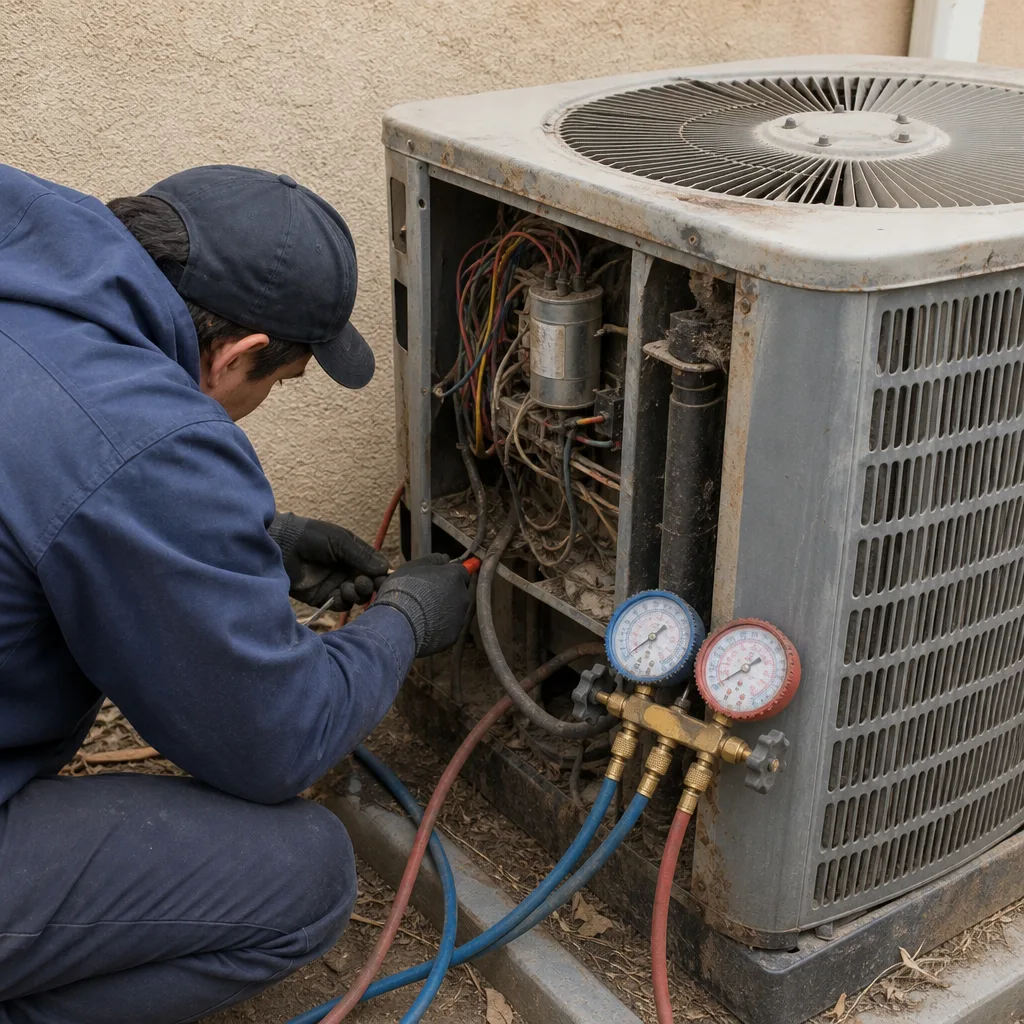 Before
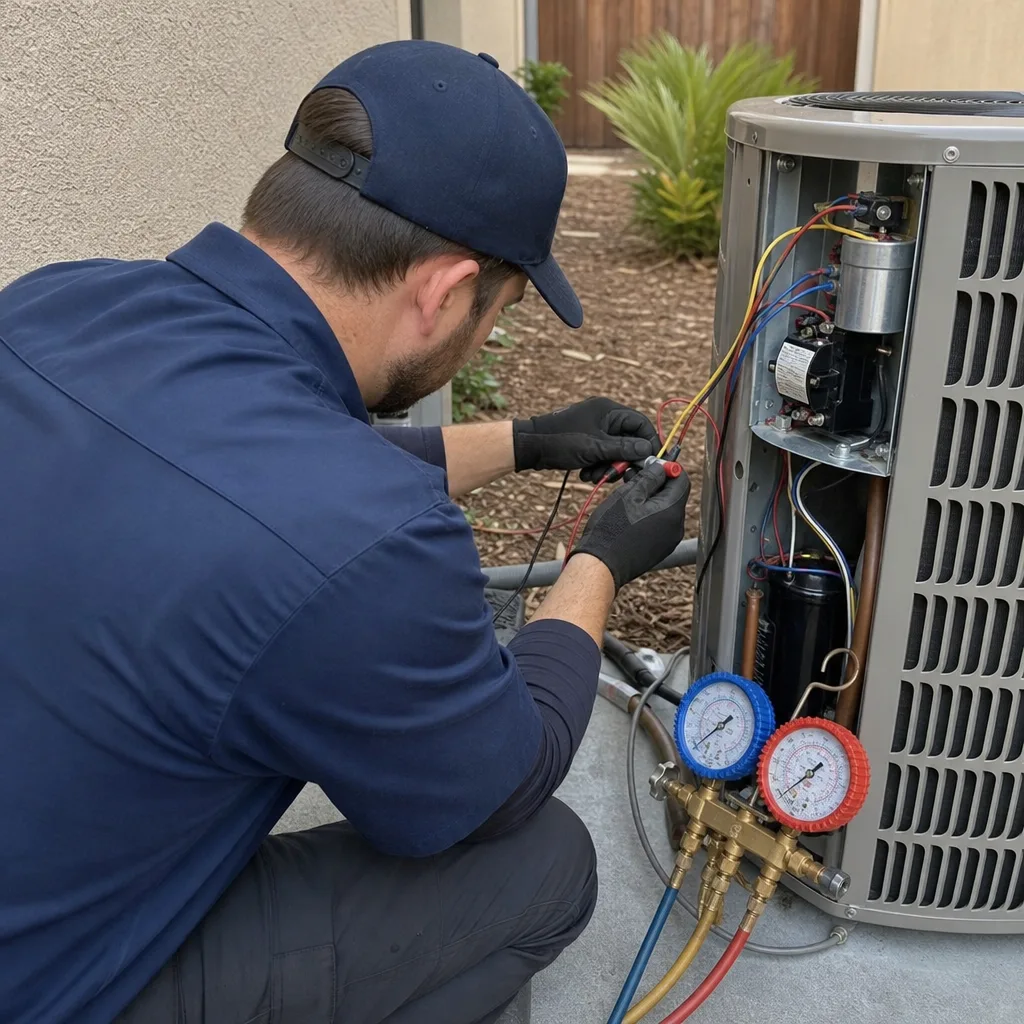 After